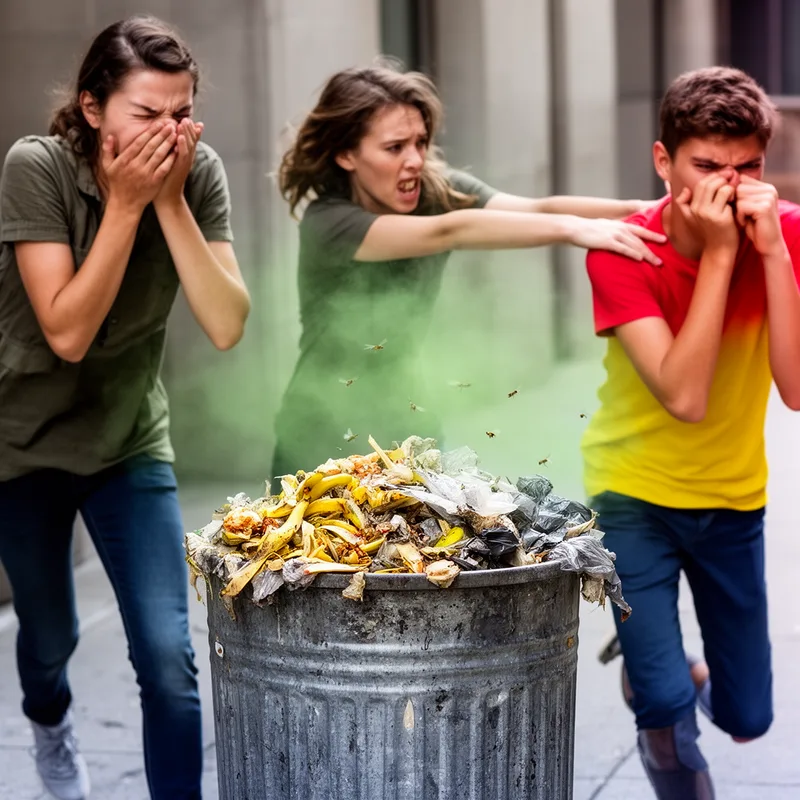
repelling

repelling

1 6.9
Making people feel strong dislike or disgust
  • adjective
  • /rɪˈpɛlɪŋ/
: repulsivo
  • His attitude was so repelling that no one wanted to stay in the room with him.

We grasp beings as such by the wholly repelling gesture, the nihilation of the Nothing.

Examples

  • The smell of rotten eggs is extremely repelling to most people.

  • Many find the idea of eating insects repelling and prefer traditional protein sources.

  • We grasp beings as such by the wholly repelling gesture, the nihilation of the Nothing.

  • The dangerous entangling of woman and girl prompts us to think about black girls in two interrelated and degrading ways: they are forgettable and invisible, and yet highly visible, hypersexual, and repelling.

    Academic text (2013)

Synonyms

disgusting
vsrepelling
538 1.3

Causing a strong feeling of dislike or making you feel sick

is nearly identical but may be used more casually in everyday speech
foul
vsrepelling
54 3.0

Having a very bad smell or taste

is broader, covering many forms of extreme unpleasantness beyond smell or taste
repulsive
vsrepelling
54 5.5

Causing strong dislike or disgust, like a very bad smell

is similar but more focused on general strong unpleasantness rather than bodily reaction
distasteful
vsrepelling
34 4.6

Something that makes people feel dislike or disgust

is more intense and implies severe unpleasantness rather than mild dislike
revolting
vsrepelling
31 4.9

Very unpleasant and likely to make you feel disgusted
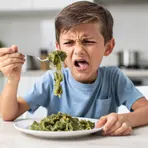
is similar but often used for things that shock rather than only annoy
yucky
vsrepelling
  • Informal
21 6.8

Not pleasant to taste or smell

is more formal and denotes very strong dislike beyond sensory reactions
abhorrent
vsrepelling
21 7.7

Causing strong dislike or disgust because people see it as morally wrong

is similar but focuses on broad unpleasantness rather than moral judgment
skanky
vsrepelling
  • Offensive
20 9.7

Very dirty, smelly and unpleasant to touch or be near
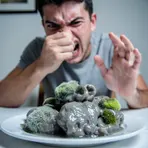
is broader and not limited to dirtiness, applying to intense unpleasantness
loathsome
vsrepelling
19 7.7

Causing strong disgust or hatred in people

is similar but typically lacks the explicit hatred emphasis found here
off-putting
vsrepelling
19 6.1

Causing dislike and making someone not want to continue

is more extreme, implying active strong dislike rather than mere unease
repellent
vsrepelling
10 6.1

Causing strong dislike or disgust

is the same in meaning but used in a different grammatical form
offensive
vsrepelling
3 5.3

Having a bad smell or taste that bothers you

is stronger, expressing extreme unpleasantness that provokes strong dislike
displeasing
vsrepelling
2 4.0

Something that makes people feel dislike or annoyance

is much stronger and refers to severe revulsion rather than mild annoyance
aversive
vsrepelling
1 8.4

Making people or animals avoid something because it is unpleasant
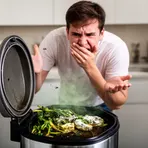
is centered on strong dislike and intense unhappiness rather than avoidance
repellant
vsrepelling
1 6.4

Causing strong dislike or disgust

is stronger and signals more extreme unpleasantness and harshness
rebarbative
vsrepelling
  • Formal
1 9.9

Causing people to feel unpleasant and want to stay away

is more forceful in meaning, causing deeper dislike rather than mere objection
loathly
vsrepelling
  • Archaic
1 9.9

Very unpleasant and likely to make people feel disgusted

is similar but usually applies in slightly less personally hurtful ways
disgustful
vsrepelling
1 6.7

Causing a strong feeling of dislike or making people feel sick

is alike but often used more generally, not only for revulsion

Antonyms

323 1.0

Giving a gentle feeling of enjoyment

22 1.0

Pleasant to be with or to experience

How Repulsive

revolting
31 4.9
disgusting
538 1.3
repelling
1 6.9
offensive
  • Offensive
276 4.0
unpleasant
183 1.0

Surface Forms

repelling positive
repellinger comparative
repellingest superlative

Morphology

repelling = repel (transparent) = repel + ing

Formed from the verb 'repel' plus the productive English suffix '-ing'; learners who know 'repel' should readily infer 'causing disgust or driving away'.

Etymology

The word repelling comes from the old Latin parts re- 'back' and pell 'to drive', the same 'push' idea you see in propel. So something repelling 'pushes away' people or feelings and causes 'dislike' or 'disgust'.