repellant

repellant

1 6.4
Causing strong dislike or disgust
  • adjective
  • /rɪˈpɛlənt/
translation icon : repulsivo
  • The film's violence was so repellant that many viewers left the theater early.

Examples

  • I found his arrogant attitude truly repellant.

  • Some people find the taste of durian repellant.

  • Some people consider the smell of garlic repellant, while others love it.

  • The smell of rotten eggs is quite repellant.

  • Her behavior at the party was so repellant that many guests chose to leave early.

  • The critic described the film as repellant, making it difficult to enjoy the story.

  • His repellant attitude towards teamwork alienated his colleagues.

Synonyms

disgusting
vsrepellant
531 1.3

Causing a strong feeling of dislike or making you feel sick

is about causing strong dislike or aversion rather than only physical sickness
repulsive
vsrepellant
59 5.5

Causing strong dislike or disgust, like a very bad smell

is the general term for causing strong dislike or aversion
distasteful
vsrepellant
30 4.6

Something that makes people feel dislike or disgust

is about causing strong dislike or aversion rather than mild unpleasantness
foul
vsrepellant
24 3.0

Having a very bad smell or taste

is the broader idea of causing strong dislike or aversion beyond senses
abhorrent
vsrepellant
23 7.7

Causing strong dislike or disgust because people see it as morally wrong
is about causing strong dislike or aversion without necessarily moral judgement
yucky
vsrepellant
  • Informal
22 6.8

Not pleasant to taste or smell

is about causing strong dislike or aversion rather than only sensory unpleasantness
loathsome
vsrepellant
20 7.7

Causing strong disgust or hatred in people

is about causing strong dislike or aversion rather than outright hatred
skanky
vsrepellant
  • Offensive
20 9.7

Very dirty, smelly and unpleasant to touch or be near

is about causing strong dislike or aversion rather than focusing on filth
revolting
vsrepellant
6 4.9

Very unpleasant and likely to make you feel disgusted

is about causing strong dislike or aversion rather than mere unpleasantness
repellent
vsrepellant
5 6.1

Causing strong dislike or disgust

is about causing strong personal dislike or aversion rather than sensory offense
repelling
vsrepellant
6.9

Making people feel strong dislike or disgust

is about causing strong dislike or aversion rather than sudden shock
disgustful
vsrepellant
6.7

Causing a strong feeling of dislike or making people feel sick

is focused on causing strong dislike or aversion rather than mere offensiveness
loathly
vsrepellant
  • Archaic
9.9

Very unpleasant and likely to make people feel disgusted

is the general notion of causing dislike rather than invoking hatred
rebarbative
vsrepellant
  • Formal
9.9

Causing people to feel unpleasant and want to stay away

is about causing strong dislike or aversion rather than mere objection

Antonyms

314 1.0

Giving a gentle feeling of enjoyment

138 2.3

Makes people like it, for example a friendly smile or a new idea

119 1.0

Pleasant to do or experience

Compounds

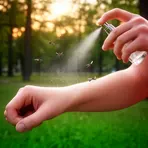
A substance you put on skin or clothes to keep insects away

How Repellent

revolting
6 4.9
repulsive
59 5.5
repellant
1 6.4
off-putting
20 6.1
unpleasant
215 1.0

Surface Forms

repellant positive

Morphology

repellant = repel (transparent) = repel + ant

Adjectival meaning 'causing aversion' follows directly from 'repel' + '-ant', which is a regular adjectival formation.

Etymology

Repellant comes from re- 'back' and pellere 'to drive', so it originally meant 'driving back'. That's why we call something repellant when it 'drives' people away by causing strong dislike or disgust.