

reclusive
 24
7.4
24
7.4

- adjective
- /rɪˈkluːsɪv/
- After spending years in his reclusive cabin, he finally decided to reconnect with society.
Loading YouTube…
Watch on YouTubeAnd we are allowing ourselves to be very reclusive because of the hangover that's happened.
- And we are allowing ourselves to be very reclusive because of the hangover that's happened.
- And they can be reclusive and isolated from reality and get obsessed with dark imagery and so on.
- And with Ligoni, this is very important as we're going to find out, he's a living author, but he's rather reclusive.
Examples
-
Unless one has been truly reclusive, it would be difficult to rest in a fixed definition of art.
Academic text (1994) -
- The present-day Order is just as reclusive as ever.
-
Brought out the one guy in the city more reclusive than me.
-
I think folks sense that as well; a quiet, lonely, reclusive man: who can I possibly tell?
Blog text (26) -
Over the years, she's become more and more reclusive.
-
Though they remained ever constant in their reclusive, pious lives, the outside world was changing.
Fiction book (1993) -
Joan was a frail, reclusive widow with many complicated physical and emotional problems.
Academic text (1994) -
So who is Jim Collins, this mysterious reclusive mastermind polymath?
-
Brunhes expressed profound thanks to his benefactor, but the reclusive bachelor did not attend.
Academic text (2003) -
I know since his wife passed away last year he's been a little reclusive, but as long as I've known Ernest, he's never missed a deadline.
Synonyms
 176
2.7
176
2.7
By itself with no other people or things nearby
 83
1.0
83
1.0
Choosing to be alone or living by oneself
 78
4.2
78
4.2
Feeling separated from other people and having little contact
 18
5.8
18
5.8
A person who prefers quiet time and small groups
 14
5.1
14
5.1
Preferring to be alone and avoiding social situations
 7
3.5
7
3.5
Alone and not near other people or things
 3
8.7
3
8.7
Living apart from other people and the outside world, often in a quiet place
 2
5.3
2
5.3
A person who does not enjoy being with other people


 1
7.2
1
7.2
Prefers to be alone and avoids meeting other people
 1
4.8
1
4.8
Prefers being alone and avoids spending time with others
 1
7.2
1
7.2
Someone who lives alone and avoids other people

Prefers to be alone and avoids other people

Not sociable and preferring to be alone

Someone who is quiet and prefers to be alone instead of being with others
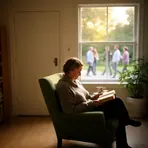
A person who prefers to be alone or a place that gives privacy

Being focused on your own thoughts and feelings rather than outside things

A little shy and quiet, preferring small groups or being alone

Living alone and quietly for religious or spiritual reasons, like a monk
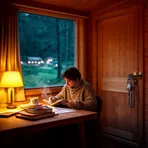
Prefers to live alone and avoids other people

Living alone and simply, often for religious or spiritual reasons

Living alone in a quiet place away from other people

Living alone and avoiding contact with other people, often for religious reasons
Antonyms

How Social

Surface Forms
Morphology
Etymology
The word reclusive comes from Latin parts re- meaning 'back' and clus meaning 'shut', like the English word close. So a reclusive person 'shuts themselves away' from others and prefers to be alone.