
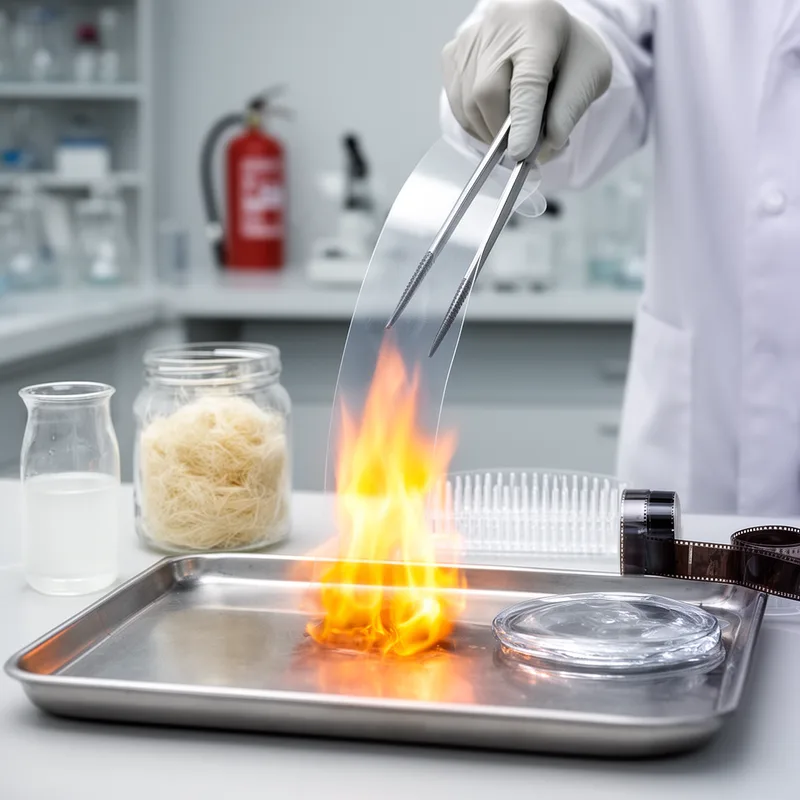
pyroxylin
- noun
- /paɪˈrɒksɪlɪn/
- Specialized
- Because of its volatility, regulations tightly controlled the storage of pyroxylin.
Examples
-
The film base was originally made from pyroxylin, which proved extremely flammable.
-
The scientist studied pyroxylin for its flammability.
-
Manufacturers used pyroxylin to produce early plastics and photographic films.
-
Many artists use pyroxylin in their work.
-
Pyroxylin is used in the production of various pyroxylin plastics due to its high flammability and versatility.
-
The artists preferred to use pyroxylin for their lacquer finishes because of its quick-drying properties.
-
Safety protocols are essential when working with pyroxylin, as it can ignite easily if not handled properly.
Synonyms
 4
8.6
4
8.6

A very flammable material made from chemicals with nitrogen and oxygen used in old movie film
 1
9.9
1
9.9
A very flammable chemical made from plant fiber used in old film, paint, and explosives

 1
9.9
1
9.9
A highly flammable material made from cotton and strong acid used in explosives and varnish
A very flammable chemical used to make photographic film, plastics, and varnish

A strong, light material made from cotton treated with acid used in films and explosives

A very flammable material made from plant fibers and a strong acid, used in lacquers, early photographic film, and explosives
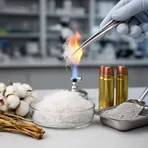
A chemical from plant material that burns easily and is used to make smokeless powder
Surface Forms
Morphology
pyroxylin = pyro + xyl + in
Although the word is built from classical combining forms, its meaning is not recoverable for an average learner from 'pyro-' plus 'xyl-' plus '-in'.
Etymology
Pyroxylin comes from Greek parts pyro- 'fire' and xylon 'wood', so it paints the image of 'fire-wood' and helps you picture something that burns easily. That's why pyroxylin is the name for a very flammable treated plant material made from cellulose and known as nitrocellulose, used in early plastics, films, and lacquers.