

to pollenate
- verb
- /ˈpɒlɪneɪt/
- Many bees help to pollenate flowers in the garden each spring.
Examples
-
Bees pollenate flowers.
-
Farmers sometimes use brushes to pollenate plants by hand in greenhouses.
-
If there are no insects, the wind may still pollenate certain types of crops.
-
The gardener pollinates the plants by hand.
-
Many insects, especially bees, play a crucial role in helping to pollenate various flowers in the garden.
-
Farmers often need to pollenate their crops by hand when there aren't enough pollinators around.
-
In spring, the warm weather encourages plants to pollenate, ensuring a bountiful season of growth.
Synonyms
 34
4.0
34
4.0

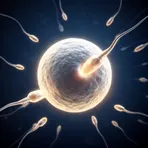
To make an egg or plant cell start growing by joining it with a male cell
 12
4.2
12
4.2
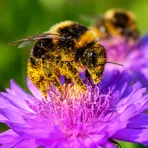
To move pollen from one flower to another so it can make seeds

To make a living thing able to have babies or produce fruit
Antonyms

- Specialized
15
5.8
To make a person or animal unable to have children by a medical operation
How Effective

Surface Forms
Morphology
Etymology
Pollenate comes from pollen, a Latin word meaning 'fine dust' or 'powder', plus the verb ending -ate that means 'to make'. So to pollenate is to move that flower dust from one part of a plant to another so the plant can make seeds.