

pollen
 54
1.2
54
1.2

- noun
- /ˈpɑːlən/
- Specialized
- Several of the weed pollens are at their height during the summer months.
- pollen and bees
- pollen allergies
- pollen count
Loading YouTube…
Watch on YouTubeIt does not translocate into the pollen or the blooms though.
- It does not translocate into the pollen or the blooms though.
- That exact middle C buzzing is like a secret passcode that unlocks pollen trapped inside flowers.
- The insects and other species can take the pollen, transfer it directly to where it's required.
- I have, I'm allergic to like dust and pollen.
- It might be to conserve a flower's scent, to protect their nectar, to keep pollen dry, or some other reason.
- But it says that it's collected from bees whose primary forage source is nectar and pollen from Mesquite trees.
- This one also has royal Jelly and bee pollen and bee venom in.
Examples
-
Like other flowers, most orchids need to attract insects to gather their pollen and carry it between plants.
-
During spring, the air is filled with pollen, making many people suffer from allergies.
-
Like, look at all the pollen on this flower.
-
The insects and other species can take the pollen, transfer it directly to where it's required.
-
There's a lot of pollen this time of year.
-
Marta always kept close because it was April and the pollen count was high.
Fiction book (1991) -
Also, in some regions, increases in pollen and other allergens have been associated with increased temperatures.
Academic text (2008) -
I'm allergic to pollen.
-
He's allergic to pollen.
-
The bees collect pollen from flowers to take back to their hives for food.
Compounds
- Specialized
1
3.3
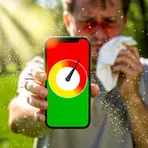
A number that shows how much pollen is in the air and the risk of allergies


- Specialized
A thin tube from a pollen grain that grows to carry male cells to the ovule for fertilization
How Allergenic


Surface Forms
Etymology
The word pollen comes from the Latin pollen, which means 'fine powder' or 'flour'. So, think of pollen as the tiny powder or 'dust' from flowers that helps make seeds and can cause spring allergies.