
Cladosporium


 1
9.9
1
9.9
- noun
- /klædəˈspɔːriəm/
- Specialized
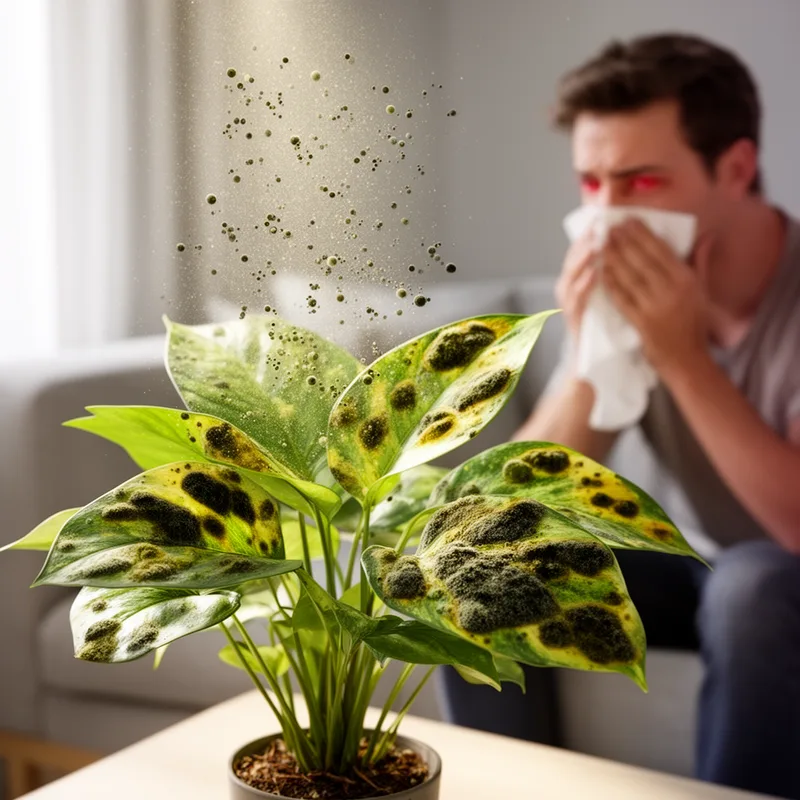
- The gardener noticed that Cladosporium was affecting the health of his plants.
Examples
-
(*) Adjusted for age, sex, parental smoking, sensitization to mite, cat, timothy grass, and cladosporium antigens, and center.
Academic text (2001) -
A third mold called Cladosporium has now been found in a patient as well, said Dr. Tom Chiller of the Centers for Disease Control and Prevention.
Blog text (32) -
Cladosporium, Aspergillus, Alternaria, and Drechslera can be mistaken for Stachybotrys.
Blog text (26) -
Cladosporium spp. showed a decrease of <1 log CFUs/g and <3 log CFUs/g, respectively, during storage.
Academic text (2008) -
The remaining two CDC lab-confirmed infections were caused by the fungi Aspergillus and Cladosporium, CDC has previously reported.
Blog text (14) -
Moulds (including Aspergillus, Cladosporium, and Penicillium spp.) were isolated from several covers, but none was contaminated with S. brevicaulis.
Academic text (1995) -
(*) Adjusted for age, sex, parental smoking, sensitization to mite, cat, timothy grass, and cladosporium antigens, total IgE, and center.
Academic text (2001) -
Cladosporium can be a major allergen for people who are sensitive to mold.
-
Researchers found high levels of Cladosporium spores in the air during the summer months.
How Allergenic

Surface Forms
Etymology
Cladosporium comes from Greek parts clado- meaning 'branch' and -sporium from sporos meaning 'seed' or 'spore'. So the name is like a 'branch of spores', which fits this common mould that makes many tiny spores on plants and in the air and can cause allergies.