
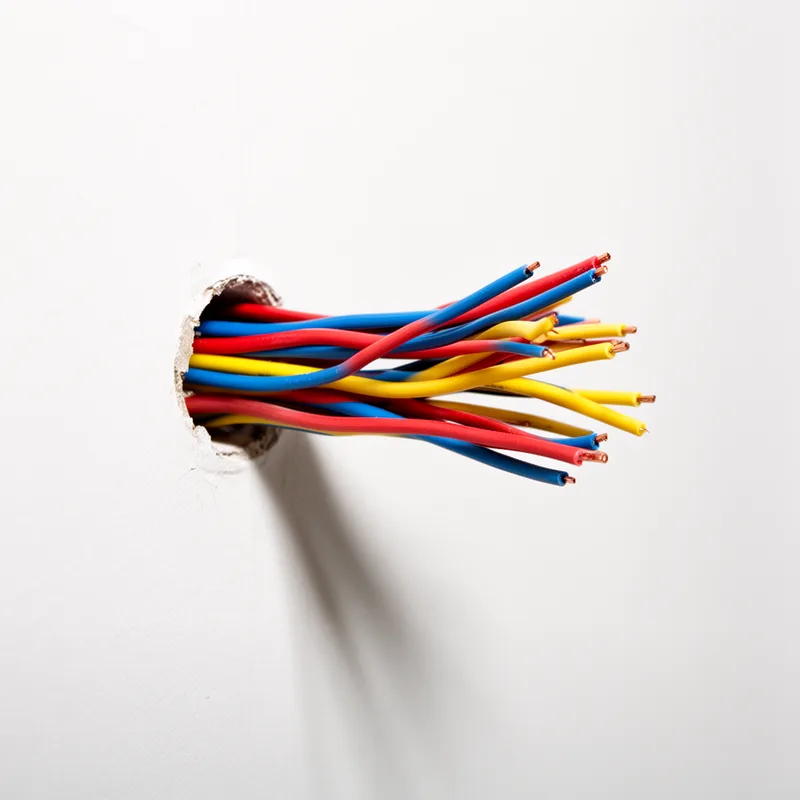
to poke out
 16
3.5
16
3.5

- phrasal verb
- /poʊk aʊt/
- Chen was standing with his head and shoulder poking out into the street.
Loading YouTube…
Watch on YouTubeMy belly is still it pokes out, but it's not too bad.
- My belly is still it pokes out, but it's not too bad.
- You can see it poking out clear as day in this new LIDAR.
- It just feels like the, the ribs poking out.
- It was a pad with your face poking out.
- I curled the ends of my bangs that I hate so much and they keep poking out.
- It was, it was literally fish in the barrel almost because one guy would poke out here and three guys run that way.
- I've got white sneakers, a red long sleeve grey turtleneck layered underneath poking out the top, and of course the gold chain.
- I mean, look at the Fender wells and the way they they've they've got the the sides poking out and you could just man, that's a good looking car.
- It was it was literally fish in the barrel almost because one guy would poke out here and three guys would run that way.
- Opens the back door, Charlotte runs out and doesn't typically come back immediately until he pokes his head out and says Charlotte and then Charlotte runs up.
- And we come across a we come across the small Hut and there's like a machine gun poking out of it, an ISIS machine gun poking out of it.
- Feel like this looks a little bit cleaner and this looks like I've got pubes poking out from under my hat.
- I've used his shoulder as a brace because we're standing and I, you know, shot this guy and his as he poked out from behind the house and like a walking firefight.
Examples
-
His eyes are open and his tongue pokes out between his lips.
Fiction book (1993) -
You can see them poking out behind that sheet.
-
I mean, this thing pokes out right here and everything.
-
So this will fit in here like this and hopefully will poke out the front like that.
-
And you can see behind me, poking out of the section are numerous bricks.
-
So these will poke out whether you want to have it right hand, right side mounted or left side mounted.
-
The mare was in her stall, poking her head out, curious.
Fiction book (1991) -
We could see the tips of the pine and bamboo trees poking out from the lingering fog.
Academic text (2006) -
The slick gray stones poked out of the cliff like the polished claws of an animal.
Fiction book (1993) -
The kitten poked out its head from under the couch, curious about the noise.
Synonyms
 265
2.7
265
2.7
To reach out with your body or make something longer
 73
2.7
73
2.7
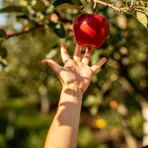
To stretch a hand toward something to touch it
 61
3.2
61
3.2
To extend beyond a surface or edge
 31
5.8
31
5.8
To stick out from a surface or edge
 23
4.3
23
4.3
To stick out from a surface
 21
3.1
21
3.1
To come out quickly from a surface or container
 19
4.8
19
4.8
To stick out from a surface, as when a balcony hangs over a street
 9
3.4
9
3.4
To stick out from a surface like a rock or shelf
 9
3.9
9
3.9
To make something reach forward, like an arm or wing
 7
2.9
7
2.9
To swell so that part of something sticks out
 7
3.6
7
3.6
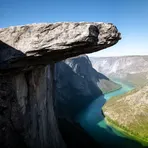
To stick out over the edge of something
 3
3.7
3
3.7
To stick out in a round shape, like a pocket or balloon
 2
4.8
2
4.8
Push something outward suddenly and strongly
 1
6.1
1
6.1
To reach out a hand or arm toward something to offer help

To stick out from a surface like a bump
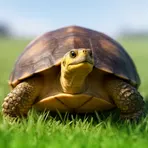
To stick out from something
Antonyms

How Far

Surface Forms
Morphology
The meaning 'to extend, stick, or project outward' is directly and literally derived from combining 'poke' (to push or prod) with 'out' (away from the interior). This particle-verb pattern is a common and transparent compositional structure in English (and in many other languages), so a B1 learner who knows both words would readily understand the MWE.
Etymology
The verb poke out comes from the simple picture of pushing something so it sticks out, imagine you poke a curtain and the end comes out, or a branch pokes out between fence boards. So poke out means 'to stick out'.