

poison camas
- noun
- /ˈpɔɪzən ˈkæməs/
- US
- Livestock sometimes die after eating poison camas mistaken for wild onion.
Examples
-
Poison camas blooms in early spring, displaying clusters of small white flowers.
-
Botanists warn hikers to avoid touching the bulbs of poison camas.
-
The poison camas plant can be deadly if ingested.
-
Farmers should be cautious of poison camas in their fields.
-
The bulbs of poison camas are toxic and can cause severe harm if eaten.
-
Hikers should learn to identify poison camas to avoid accidental ingestion.
-
Due to its resemblance to edible plants, poison camas can pose a serious risk to foragers.
Synonyms
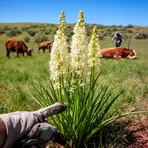
A highly poisonous plant called death camas that grows in parts of the central United States
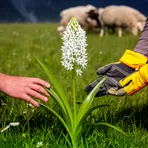
A plant with leaves like grass and small white flowers that is poisonous

A group of poisonous plants called death camas that grow mostly in North America

Poisonous wildflower from western North America that can make animals that eat grass very sick

A poisonous plant with grass-like leaves that kills grazing animals

A poisonous plant of western North America and Mexico that kills animals that eat grass
How Toxic
- US

 2
3.5
2
3.5

Surface Forms
Morphology
Etymology
Poison camas is named for a plant whose bulbs look like edible wild onions or other harmless camas but are actually very poisonous. The name links poison and camas to warn people that this plant can kill animals or people, which is why it is also called 'death camas'.