

plant-eating
 1
3.5
1
3.5

- adjective
- /plænt ˈiːtɪŋ/
- The plant-eating animals in the savannah primarily feed on grasses and leaves.
- plant-eating insects
Examples
-
During our tour of the defoliated areas, Orians and I did not see a single species of insect-eating or plant-eating bird, with the exception of barn swallows, which were migrants from the north.
Academic text (1990) -
One was the egg of a sauropod, a long-necked, plant-eating giant that lived 180 million years ago.
Academic text (1998) -
"For example, has the loss of birds also led to an increase in the number of plant-eating insects?
Blog text (8) -
"We can trace this difference in response to changes in a number of key ecological groups such as plant-eating dinosaurs like Triceratops and small mammals."
Blog text (21) -
In nature, they are considered to be keystone species that stabilize and regulate populations of plant-eating insects.
Academic text (1997) -
Other natural disturbances are due to plant-eating insects and mammals and disease-causing microorganisms.
Academic text (2006) -
Crops are augmented with bacterial toxins that repel plant-eating insects.
Blog text (4) -
Plant-eating animals get most of their nutrients from the cellulose in plant cell walls, yet vertebrates cannot digest cellulose directly.
Academic text (1992) -
Halophytic chenopods, such as saltbushes, are green throughout the year, and their lush color might mislead one into thinking they are an ideal food source for plant-eating mammals.
Academic text (2003) -
Carpenter cited many studies of giant mammalian herbivores, such as elephants and rhinoceroses, which showed that larger size in plant-eating animals leads to greater efficiency in digesting food.
Blog text (2)
Synonyms
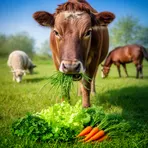 1
6.7
1
6.7
An animal that eats only plants
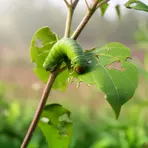
An animal that eats plants like leaves and stems
Eating plants like leaves, stems, or roots
Antonyms

How Plant-Eating

Surface Forms
Morphology
Etymology
Plant-eating is a simple English compound made of plant and eating, so it literally means 'eating plants'. A similar word is herbivore, which comes from old words for 'plant' and 'to eat', so both words point to animals that eat plants.