
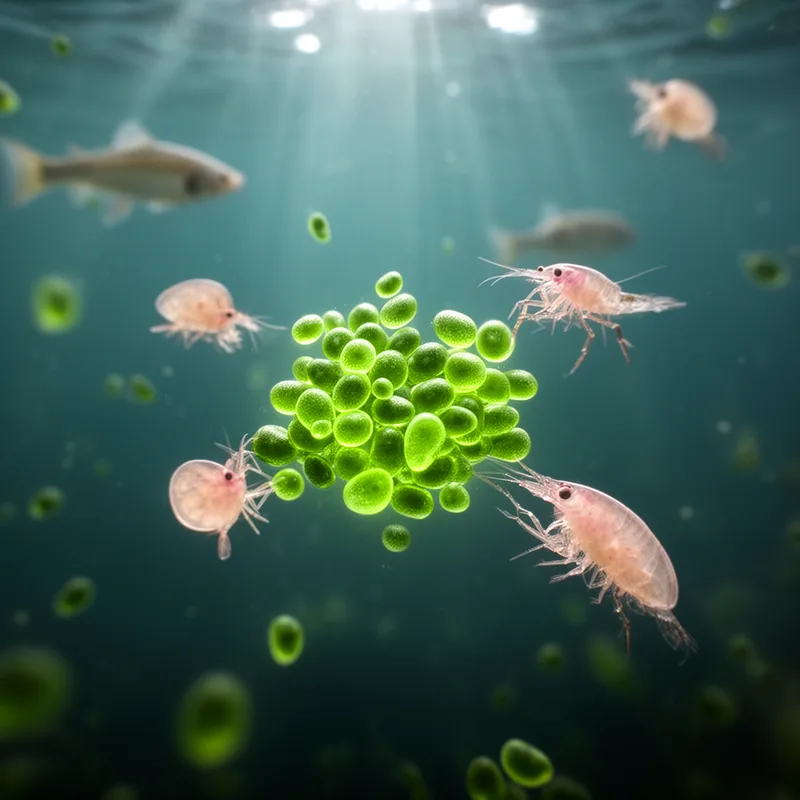
planktonic algae
- noun
- /ˈplæŋktənɪk ˈælɡi/
- Specialized
- Planktonic algae are another important above-sediment form of life that may have a dramatic influence on sediment biodiversity, especially following algal blooms.
Examples
-
Many people, some very familiar with the Arctic, are not aware that algae live within the interstices of the ice and on its undersurface and fuel polar ocean ecosystems the way free-living planktonic algae do in other waters.
Academic text (2000) -
Primary production of benthic and planktonic algae supplied organic matter that was deposited in sediments of these deep, ancient lakes.
Academic text (1999) -
The abundance of planktonic algae in the ocean is crucial as they serve as a primary food source for various marine life.
-
During summer, the growth of planktonic algae can significantly alter the color of the water, often turning it a vibrant green.
-
Scientists investigate planktonic algae to assess their contributions to the marine food web and their effects on global carbon cycling.
Synonyms
 4
8.2
4
8.2

Tiny living things in water that make food from sunlight and drift in seas and lakes
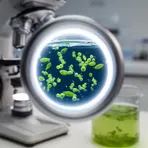
A very small living thing like a water plant that you can only see with a microscope
How Anchored


Surface Forms
Morphology
The phrase is a straightforward adjective–noun combination: 'planktonic' (drifting in water) modifies 'algae' (plant-like organisms), so the overall meaning is directly derived from the constituents. This compositional pattern is predictable and cross-linguistically common, so a learner who knows both words can infer the MWE's meaning.
Etymology
Planktonic algae paints a clear picture: planktonic means drifting or floating in the water and algae are tiny plant-like living things. So planktonic algae means 'tiny algae that float freely in the water as part of the plankton'.