
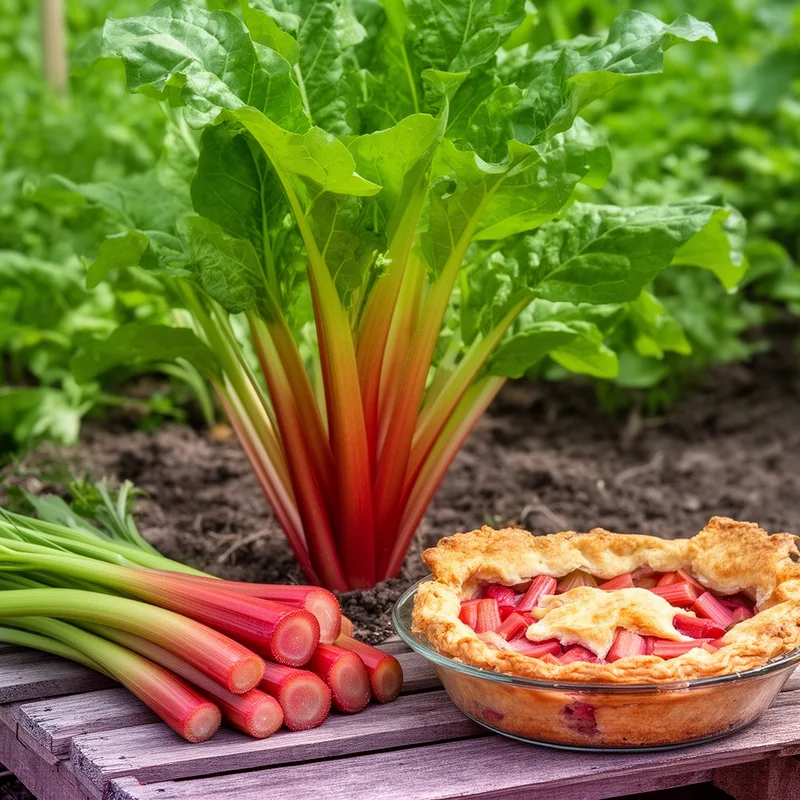
pie plant
- noun
- /paɪ plænt/
- Archaic
- They used fresh pie plant to bake a tart and tangy dessert.
Examples
-
She picked some fresh pie plant from the garden.
-
The garden had a large patch of pie plant behind the shed.
-
Her grandmother always made the best pie plant jam in the spring.
-
Are you going to use pie plants in your dessert?
-
Her grandmother always made the best pie plant jam in the spring.
-
They used fresh pie plant to bake a tart and tangy dessert.
-
The garden had a large patch of pie plant behind the shed.
Synonyms

 14
3.5
14
3.5

Thick sour stalks usually cooked and sweetened for pies
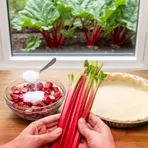
A plant with long sour stalks usually cooked with sugar and used in pies
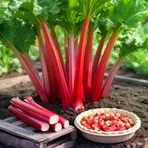
A plant with thick edible stalks often used in cooking like pies

A plant with thick red or green stalks that taste tart and are cooked in pies
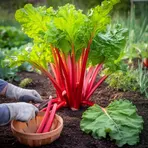
A garden plant that grows back every year with thick stalks you cook and eat but poisonous leaves

A plant with tart edible stems that people cook and eat in pies

A garden plant like rhubarb grown for its sour edible stems used in pies or jam

A herb from the Himalayas with red veins in its leaves used in pies
Surface Forms
Morphology
The noun combines 'pie' and 'plant' in a directly compositional way to indicate a plant used for pies (i.e., an edible plant like rhubarb). A B1 learner who knows both constituents would readily infer that it refers to a plant associated with making pies, so the meaning is transparently derived from its parts.
Etymology
Pie plant is an old garden name for 'rhubarb'. People called it a pie plant because the long, tart stems were often cooked into pies and jams, so the name came to mean 'rhubarb'.