
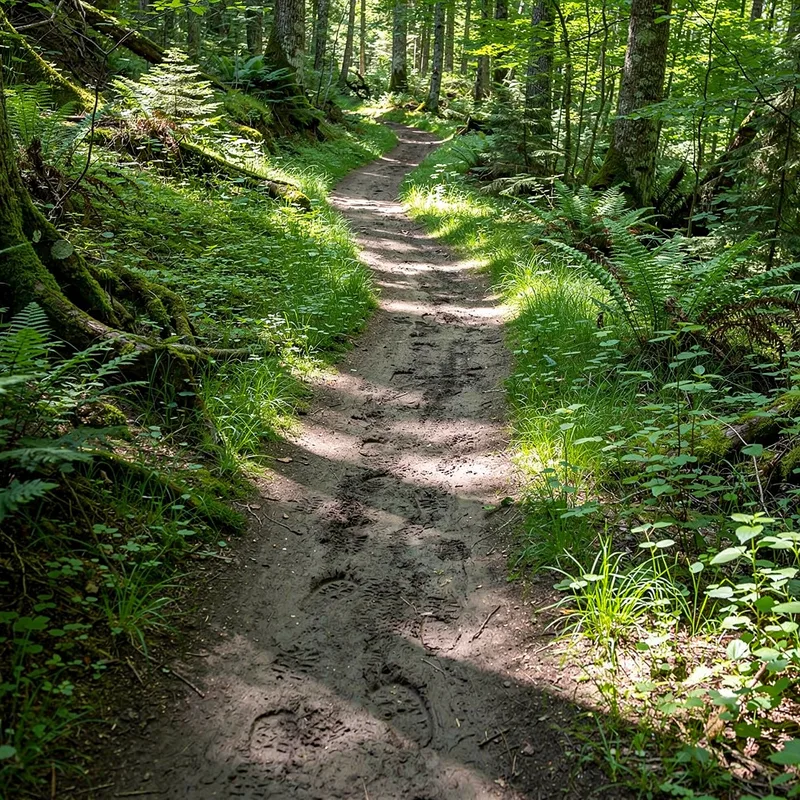
to peter out
 9
5.6
9
5.6

- phrasal verb
- /ˈpiːtər aʊt/
- The enthusiasm for the project began to peter out after several weeks of no progress.
Loading YouTube…
Watch on YouTubeWhen that flow starts to like Peter out, I don't try to force it.
- When that flow starts to like Peter out, I don't try to force it.
- And not in fire, but in ice, it Peters out.
- The question now is at what point does that's curve Peter out and does it still make sense to buy NVIDIA now post split?
Examples
-
The dust storm in the southern hemisphere had petered out at last, according to the previous night's weather report.
Fiction book (1999) -
I'm going to hope this thing peters out and we all look foolish for being so scared.
Blog text (26) -
I kind of start off slow, and then I slowly peter out.
-
After the newspaper got the phone number right, the calls started to peter out.
Fiction book (1999) -
If it's lacking in any way, you know that the electricity is going to peter out.
Academic text (2009) -
After a while she just sort of petered out, you know.
-
Most other efforts to check the courts in any meaningful way peter out early on in the legislative process.
Academic text (1990) -
The last cave paintings seem to have petered out about 150 years ago, around when Europeans arrived.
Blog text (24) -
Behind the walls of the Pentagon, the extraterrestrial debate at the top levels of Air Force intelligence petered out.
-
THE RIOTS THAT ERUPTED in London on August 6 finally petered out after four days.
Academic text (2011)
Synonyms
 ∞
1.0
∞
1.0
To stop being seen or to no longer be there
 531
1.2
531
1.2
To slowly become less visible, bright, or loud
 463
1.0
463
1.0
To stop being seen or felt
 344
3.7
344
3.7
To become less over time, for example in value or health
 72
5.1
72
5.1
To become smaller or less in number over time
 69
3.0
69
3.0
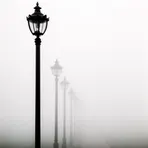
To become weaker and then disappear over time
 52
3.6
52
3.6
To become less serious or be forgotten over time
 49
2.6
49
2.6
Become less in number, amount, or quality
 47
3.7
47
3.7
To stop existing over time, for example animals or traditions
 46
2.7
46
2.7
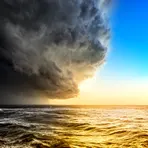
To become less strong or loud over time
 29
4.8
29
4.8
To move back or become less strong
 27
5.6
27
5.6
To end in a weak or disappointing way after a promising start
 21
5.8
21
5.8
Plants or animals gradually become fewer until none remain
 21
3.5
21
3.5
To become less in number or amount
 19
4.3
19
4.3
To become less in amount or quality
 15
3.9
15
3.9
Gradually become harder to see or quieter until it disappears
 12
3.5
12
3.5
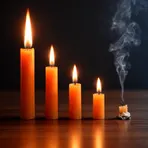
To slowly disappear or stop existing
 9
4.5
9
4.5
To become smaller or weaker over time until it stops
 8
4.2
8
4.2
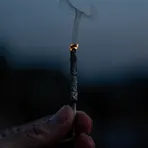
To become quieter and then stop
 8
5.3
8
5.3
To gradually lose energy or interest and end weakly
 6
6.6
6
6.6
A slow decrease in size, strength, or number
 4
3.5
4
3.5
Become fewer and more spread out
 2
3.3
2
3.3
To become less over time
 1
4.6
1
4.6
Slowly get smaller in number or amount until nothing remains
 1
5.6
1
5.6
To move back slowly, like water leaving a shore
 1
5.1
1
5.1
To become slowly smaller or less until almost nothing remains
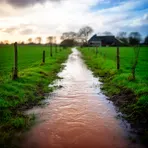
To flow back or become less strong slowly

To disappear slowly like mist
Antonyms



How Gradual

Surface Forms
Morphology
peter + out
The core verb 'peter' has no transparent, productive meaning for most learners (it is historically a name-derived verb) so knowing 'peter' + 'out' does not allow a B1 learner to infer 'gradually diminish'. The particle 'out' only suggests an end or disappearance but does not supply the specific sense, making the expression idiomatic and unpredictable.
Etymology
The idiom peter out brings to mind a small flame or stream that slowly gets smaller until it stops. So, it means 'to gradually become weaker, smaller, or end'.