
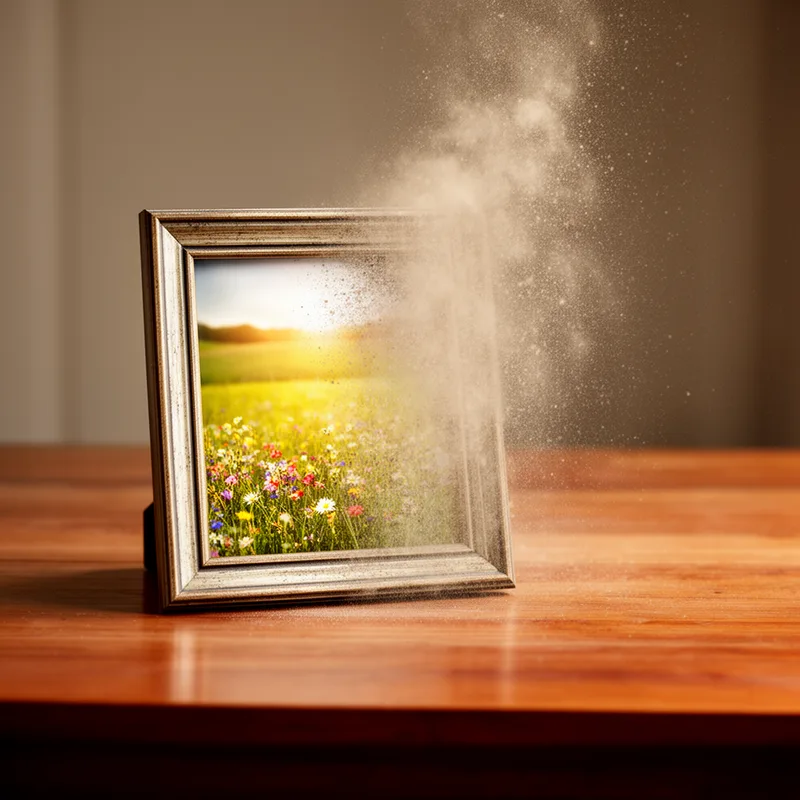
to pass away
 12
3.5
12
3.5

- phrasal verb
- /pæs əˈweɪ/
- Heaven and earth will pass away, but my words will not pass away.
- old order passed away
Loading YouTube…
Watch on YouTubeThey arise in the space of awareness for a time and pass away.
- They arise in the space of awareness for a time and pass away.
- you remain the sky and allow the clouds to pass and then to pass away.
- In the same way, when these things start to happen, this generation will not pass away until all of it is accomplished.
- What if life will pass away and our minds will stop us from realizing our truest and fullest potential?
- The last theme that I want to hit on again, very typically orthodox Stoic idea, life is short, things are passing away.
- He says the ethical world showed its fate and its truth to be the spirit that had merely passed away in at the individual self.
Examples
-
Everything else passes away; that which you love remains.
Fiction book (1998) -
The harsh memories of the past slowly pass away as we heal.
-
The former things have passed away.
-
All this shall pass away.
-
The problems of my college years had passed away by that time.
Fiction book (1995) -
Even the mountains pass away.
-
One day this world, this body, this paradise...it will pass away.
-
They pass away quite peacefully.
-
New professional fiefdoms arise and old ones pass away.
Academic text (2010) -
Humans come into existence and pass away in a cosmos indifferent to their existence.
Academic text (1996)
Synonyms
 ∞
1.0
∞
1.0
To stop being seen or to no longer be there
 840
4.8
840
4.8
To stop being felt, as a feeling or idea
 531
1.2
531
1.2
To slowly become less visible, bright, or loud
 463
1.0
463
1.0
To stop being seen or felt
 69
3.0
69
3.0
To become weaker and then disappear over time
 47
3.7
47
3.7
To stop existing over time, for example animals or traditions
 46
2.7
46
2.7
To become less strong or loud over time
 21
5.8
21
5.8
Plants or animals gradually become fewer until none remain
 15
4.5
15
4.5
Stop existing as a kind of animal, plant, or language
 9
5.6
9
5.6
To slowly become weaker and then stop
 8
4.2
8
4.2
To become quieter and then stop
Antonyms


How Gradual

Surface Forms
Morphology
pass + away
The meaning is a euphemistic/metaphorical extension of the constituents: 'pass' (move/go) + 'away' (from here) yields the idea of 'moving away from life', so a learner can partially infer the sense. However the death sense is a conventionalized euphemism rather than a literal compositional meaning, and many learners who only know the basic senses of 'pass' and 'away' may not predict the idiomatic use without exposure.
Etymology
Pass away can also mean that something slowly disappears or stops being part of life, like fog that fades or a song that ends. The verb pass means to move and away means gone, so we use the phrase to say traditions or memories 'stop existing' over time.