
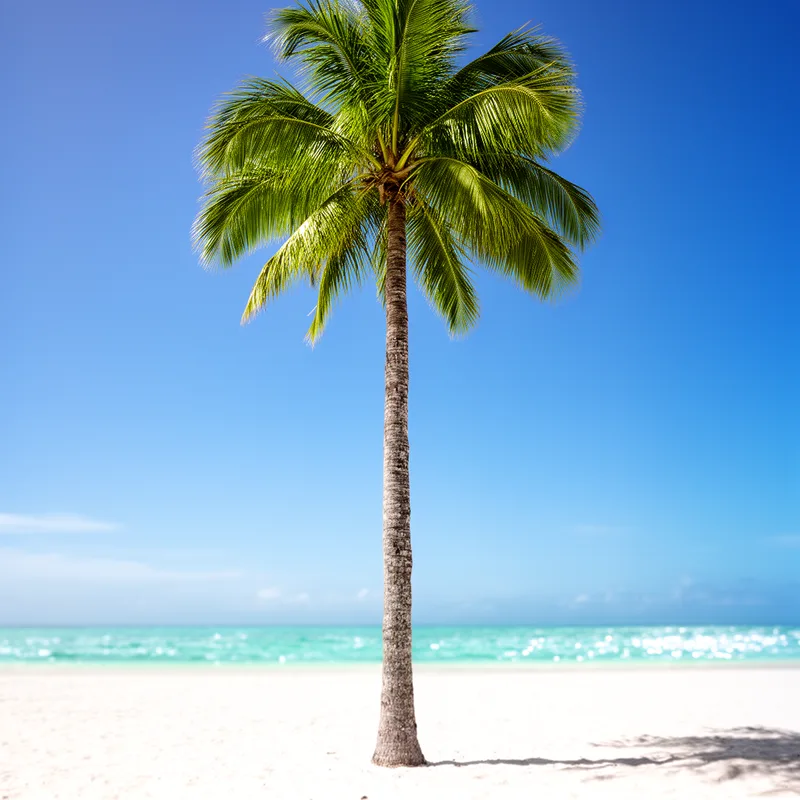
palm tree
 46
1.0
46
1.0

- noun
- /pɑlm tri/
- One wall was glass, looking out onto a balcony with palm trees in the light mist.
- grow palm trees
- lined with palm trees
- swaying palm trees
Loading YouTube…
Watch on YouTubeDriving under the palm trees, breeze flowing.
- Driving under the palm trees, breeze flowing.
- The sun is shining, the grass is green, the orange and palm trees sway.
- And when we got back home on Sunday, the palm tree was still in its place.
- But the Christmas lights are on palm trees here.
- So I had the thought, let's dress up our set with Cuban flags and palm trees.
- You know, the palm trees, like I've never seen that.
- They got the chancla, they got the palm tree, they got the Sonic.
Examples
-
Past all those skyscrapers and palm trees is my neighborhood, just a few miles from South Beach, but a world away.
-
As we walked along the beach, we admired the tall palm trees swaying gently in the wind.
-
And when we got back home on Sunday, the palm tree was still in its place.
-
And then look up above, up above the palm trees, the full moon.
-
I own three fields of palm trees.
-
On the sand under the palm trees.
-
Driving under the palm trees, breeze flowing.
-
There's palm trees right outside our front door.
-
I'll be sitting under a palm tree, eating pineapple.
-
The orange sand stretched away to the green fields and palm trees lining the Nile River in the distance.
Academic text (2009)
Synonyms
 116
1.8
116
1.8
A tall tropical tree with one trunk and large fan-shaped leaves
 23
1.0
23
1.0
A tall tropical palm tree that grows large hard fruits
 4
1.0
4
1.0
A tall tropical palm that grows coconuts near the coast
 1
2.7
1
2.7
A tall tropical palm tree that grows coconuts
 1
3.0
1
3.0
A tall palm tree that grows in hot dry places and makes sweet dates
 1
7.4
1
7.4
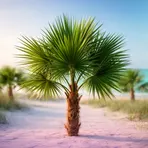
A small palm tree with fan-shaped leaves that grows in the southeastern United States and the Caribbean
 1
3.6
1
3.6
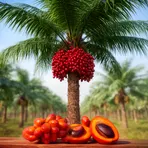
A tropical palm tree with long leaves that produces red fruit used to make oil
 1
7.2
1
7.2
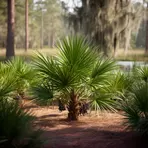
A small palm with spiny leaves that grows in clumps in the southeastern United States

 1
5.6
1
5.6
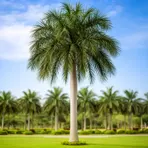
A tall palm tree with long feathery leaves and a smooth straight trunk

A tall tropical palm tree that grows coconuts

A tall tropical palm tree that grows coconuts
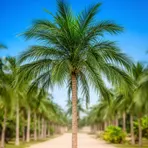
A palm tree with long leaves divided into many thin parts like a bird's wing

A tropical tree with large leaves shaped like a fan
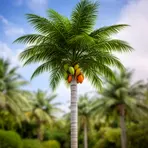
A tropical Asian palm tree like the betel nut palm with a tall trunk and feather-like leaves

A tall tree with fan-shaped leaves used for roofing and weaving, hard wood, and sweet sap used to make wine
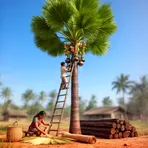
A tall palm tree with fan-shaped leaves that provides hard wood, sweet sap, and weaving material

A large tropical palm tree whose sweet sap makes sugar and wine and whose trunk gives sago

A tall palm tree whose sweet liquid people make into a drink and sugar

A tall tree that gives sweet sap used to make palm wine or sugar

A tall tropical tree from West Africa whose fruit is used to make palm oil

A palm tree native to Central and South America that produces oil from its fruit

A tall palm tree from Brazil with very large split leaves and strong stems used for building or weaving

A tall tropical palm tree with large nuts that give oil and a hard material like ivory

A tall palm tree whose wide leaves people use to make roofs and weave baskets

A tall palm tree from southern India and Sri Lanka with very large leaves used as umbrellas or for writing

A tall palm tree from South America whose trunk gives wax for candles and polish

A palm tree whose young leaf buds are eaten as a vegetable

A small palm tree from southern Florida and the West Indies that looks like the silvertop palmetto
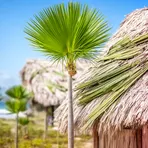
A small palm tree from southern Florida and the West Indies with leaves used to cover roofs
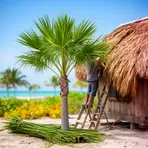
A small palm tree from southern Florida and the West Indies with leaves used to make roofs

A tree from warm countries with leaves shaped like a fish tail
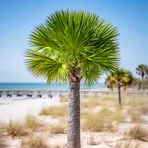
A palm tree with fan-shaped leaves that grows along the southern US coast
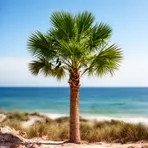
A palm tree with fan-shaped leaves that grows in the Americas
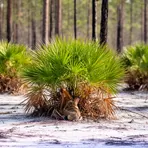
A small tough palm that grows in clumps with spiny leaves in the southern United States

A small palm tree with long, stiff leaves that look like needles

A tropical plant with thin stems like bamboo often grown indoors
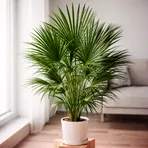
A small indoor plant with many thin, fan-shaped leaves
How Tall

Surface Forms
Morphology
The meaning is directly compositional: combining 'palm' (a type of tropical tree with fanlike leaves) with 'tree' yields a specific kind of tree. This is a straightforward noun + noun compound found across many languages and will be immediately understandable to a B1 learner who knows the constituent words.
Etymology
Palm tree comes from the shape of its big, fan-like leaves that look like an open palm or 'hand' sitting on top of the tree. That's why the name helps you picture a tall tree with hand-shaped leaves in warm, sunny places.