
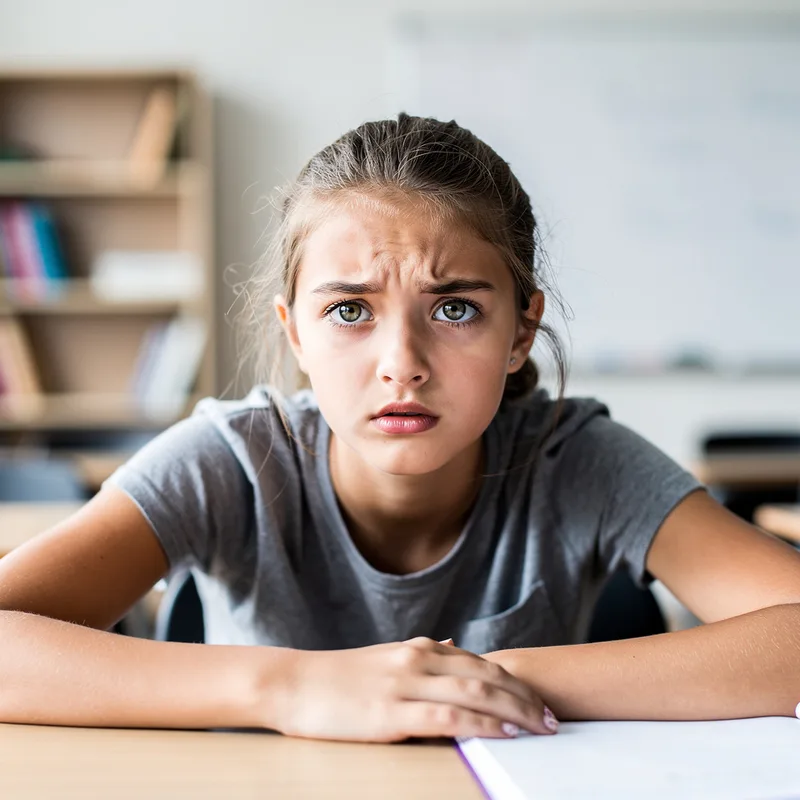
to pay attention
 ∞
1.6
∞
1.6

- phrasal verb
- /peɪ əˈtɛnʃən/
- If you want to improve your grades, you need to pay attention during class.
- pay close attention
- pay little attention
- pay particular attention
Loading YouTube…
Watch on YouTubeBut most people who are paying attention can learn, right?
- But most people who are paying attention can learn, right?
- If you're not paying attention, then that's your fault.
- The ounce of prevention is to pay attention to those red flags.
- Rather, it means that you pay attention and you are wiser.
- It just makes us, you know, pay attention to how we react.
- And they're not really paying attention to you and your answers.
- But also I would suggest writers pay attention to those around them.
- Have her show up for you and really pay attention to these signs.
Examples
-
The common core test results may then be improved by teachers paying careful attention to individual learning styles.
Academic text (2011) -
Teachers have used various techniques in order to get students to pay attention to the music.
Academic text (2011) -
But most people who are paying attention can learn, right?
-
And why not now pay attention to what we hear.
-
Thank you for paying attention and I wish you well.
-
So please pay attention and bear with me.
-
Have her show up for you and really pay attention to these signs.
-
Maybe if you paid more attention to him and just tried talking to him...
-
I hope our viewers at home are also paying attention.
-
We cannot reform the state without also paying attention to civil society, and vice versa.
Academic text (1999)
Synonyms
 ∞
1.0
∞
1.0
To notice something with your eyes
 ∞
1.0
∞
1.0
To direct the eyes toward something to see it
 ∞
1.0
∞
1.0
To look at something carefully for some time
 ∞
1.0
∞
1.0
Pay attention to advice or warnings and act on them
 ∞
1.0
∞
1.0
Listen to someone carefully to consider what they say
 ∞
1.0
∞
1.0
To see or become aware of something
 ∞
2.0
∞
2.0
Give most attention and effort to one person or task
 670
2.4
670
2.4
To look at someone or something carefully to understand it
 619
2.4
619
2.4
To watch something carefully to learn about it
 561
3.4
561
3.4
To give all your attention to one thing
 408
2.4
408
2.4
To watch someone or something carefully to make sure nothing bad happens
 279
3.1
279
3.1
Give your full attention to one activity or subject
 271
2.1
271
2.1
To pay careful attention to something
 241
3.2
241
3.2
To look at someone or something carefully
 134
3.2
134
3.2
Watch carefully for someone or something
 92
5.0
92
5.0
Pay careful attention to advice or warnings
 69
3.4
69
3.4
Pay attention to something to remember or think about it
 55
3.1
55
3.1
To fix your eyes or attention on one thing
 44
4.2
44
4.2
To give most attention to one person or thing
 42
3.5
42
3.5
To see and pay attention to something
 28
3.4
28
3.4
To watch carefully so you notice danger or changes
 22
3.2
22
3.2
To listen or watch carefully
 16
4.6
16
4.6
Watch carefully for something important or dangerous
 15
5.6
15
5.6
Pay attention to the main goal and avoid distractions
 11
6.2
11
6.2
Pay careful attention to advice or warnings
 8
3.0
8
3.0
Look at a person or thing very carefully for a while to notice problems
 4
3.7
4
3.7
Stay alert to hear useful news or information
 2
4.5
2
4.5
To listen carefully to advice or warnings
 1
6.0
1
6.0
Watch carefully for something you expect to see
 1
6.2
1
6.2
To listen carefully to someone
 1
6.4
1
6.4
To pay careful attention to what someone says or does
Tell someone to look at something or pay attention

Tell someone to pay attention to what you say or point out
Antonyms


How Attentive

Surface Forms
Morphology
The phrase 'pay attention' is compositionally built from 'pay' (to give or allocate) + 'attention' (mental focus), so a learner who knows both words can derive the meaning 'give/focus attention on something'. This verb + noun collocation and the 'give attention' logic is cross-linguistically common, making the expression immediately comprehensible to a B1 learner.
Etymology
The phrase pay attention comes from a simple picture: pay means to give, so you 'give' your attention, your time and care, to someone or something. So when you pay attention you 'focus' or 'listen/watch carefully'.