

attention
 ∞
1.6

- noun
- /əˈtɛnʃən/
- Why don't you pay attention to me when I speak to you?
- pay attention
- draw attention
- focus attention
Loading YouTube…
Watch on YouTubeSo virtue ethics focuses its attention on the actor.
- So virtue ethics focuses its attention on the actor.
- He goes, OK, well, you got my attention, but I can't touch this.
- I cheated on you because you didn't pay enough attention to me or.
- It's your attention, your attention which is the key.
- Like with an absolute rapt attention and.
- Why the lack of attention toward LSD?
- It's not left or right, it's attention seekers no matter what.
Examples
-
She tried so hard to get his attention.
-
It was just brought to my attention the other day.
-
Ladies and gentlemen, your attention please.
-
May I have your attention, please?
-
We can begin to shift our attention back into our minds.
-
Yet the scope of their efforts has often received little attention outside the tribal community.
Academic text (2017) -
When he's talking to you, his attention is fully on you.
-
They are designed to capture your attention and make you more alert.
-
One element of this effort is increased attention to the value and utility of meta-analyses.
Academic text (2012) -
May I have your attention, please, while I explain the new project?
Synonyms
 ∞
4.2
Careful watching of someone or something to notice what they do
 ∞
6.6
Attention given to someone or something
 ∞
3.5
Close attention to one subject or activity
 221
1.0
Looking at something carefully for some time to notice changes
 148
3.0
The act of watching something to learn about it
 110
3.3
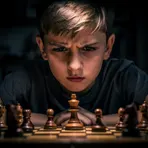
The ability to give all your attention to something
 5
2.1
To give most of your attention to one task or thing
 4
4.2
Careful watching and listening for other people's needs and feelings


 1
6.8
A strong, focused attention on a task
 1
7.6
Focusing closely on one thing and ignoring others
 1
9.9
Careful attention to what someone says or does

Careful attention to what you watch or hear
Antonyms


Compounds




- Specialized
15
3.6
A condition that makes it hard to pay attention and sometimes makes people very active or act without thinking


- Specialized
4
3.8
A condition often in children causing trouble paying attention, being very active and acting without thinking

 2
3.6
Immediate care or action needed because a problem is serious and may get worse


How Attentive

Surface Forms
Morphology
Etymology
Attention comes from Latin parts ad- 'to' and tendere 'to stretch', so it literally means 'stretching toward'. Think of it as 'stretching your mind toward' one thing, which is why attention means focusing or noticing something closely.