
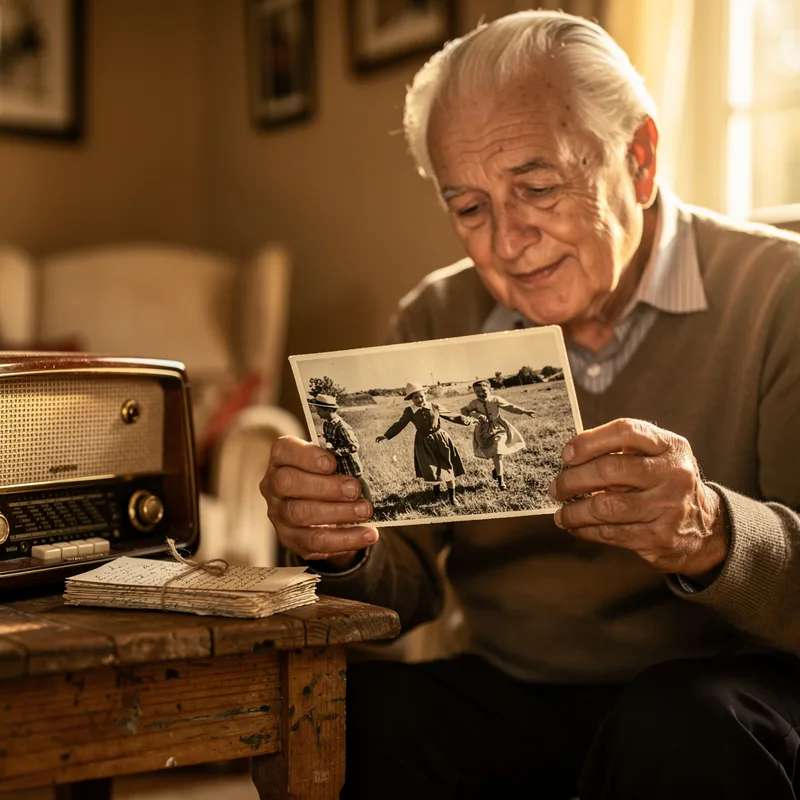
old days
 215
2.1
215
2.1

- noun
- Many people long for the old days when life seemed simpler and happier.
- the good old days
- the bad old days
Loading YouTube…
Watch on YouTubeAnd in the old days, now we have e-mail.
- And in the old days, now we have e-mail.
- OK, so imagine the old days of the switchboard.
- Not like in the old days when objective reason was ruling the roost.
- So in the old days, hair dryers would be up around that many watts.
- So many, in the old days, structural biology was a career in itself.
- They're unwilling to put forth the work that men from the old days, so to speak, used to put in.
- You may prefer the old days when at least all of their narcissism stuff made sense.
- But this was Soviet era, the bad old days.
- But I mean, you said you recognise me from the maybe the old days.
- But let me, let me actually just step back to the old days.
- Everybody's on something, you know, and it's just, but back in the old days, you didn't, you weren't on a diet.
- But the, the energy and everything about the old days, it's just a bit of a different animal now.
- So you have to just guess what's happening, which is, you know, it's like the old days really.
Examples
-
In the old days it was simple.
-
We'll be a team again, just like the old days.
-
So back in the old days of physical media, you could return a game.
-
So those are the old days now.
-
Those were the good old days.
-
Did this happen to you in the old days?
-
But it is worth asking whether the good old days really were so good.
Academic text (2000) -
And, you know, in the old days, people came to the clubs to watch the dancers.
-
Many hotels have been refurbished, bringing back the feeling of the old days of Miami Beach.
Academic text (1996) -
The assembly lines of the old days are fading.
Academic text (2011)
Synonyms
 74
5.5
74
5.5
A time in the past people remember with warm feelings, often when they were young
 53
3.4
53
3.4
The past that people remember with warm feelings
 49
4.1
49
4.1
A past time people remember as happier or simpler
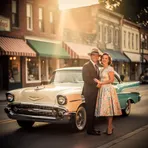 14
8.3
14
8.3
An earlier time people remember as better
 4
9.9
4
9.9
The distant past remembered with warm feelings
 4
9.9
4
9.9
A time long ago often remembered in stories

Old times that people remember with a warm feeling, often at New Year
Antonyms


How Distant

Surface Forms
Morphology
The phrase is directly compositional: 'old' (earlier/former) combined with 'days' (times/periods) yields 'times in the past.' While the nostalgic nuance may require context, an average B1 learner who knows both constituents will readily infer the basic meaning, and the same logic exists across many languages.
Etymology
Old days comes from the simple image of earlier days that are old, like a photo or story people look at when they think of a time long ago. So, it means 'a time in the past' often remembered with warm feelings.