
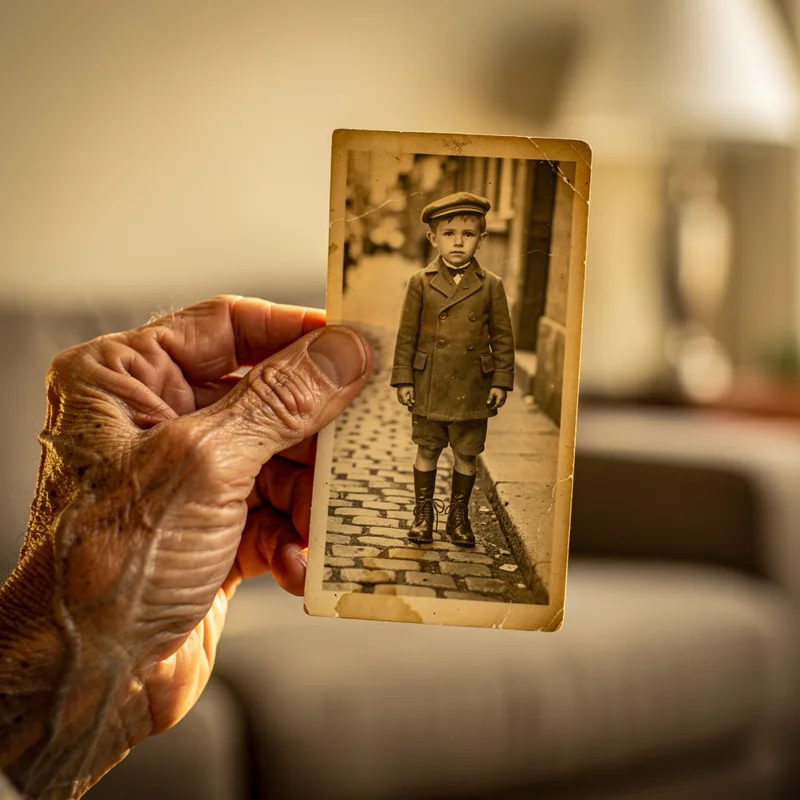
long ago
 521
1.0
521
1.0

- idiom
- Historians study artifacts from long ago to understand how people lived in the past.
- so long ago
- very long ago
- too long ago
Loading YouTube…
Watch on YouTubeYou sold your soul to the devil long ago to get this sweet Conan gig.
- You sold your soul to the devil long ago to get this sweet Conan gig.
- They cannot hurt us, although long ago they could.
- So you see, a book published so long ago is still readable and eminent.
- For the atrocities of of times long ago, times were different.
- Oh, Zeus and destiny to that goal long ago to me assigned.
- The Catherine the Great died long ago, but horses keep very good records.
Examples
-
And up until not that long ago, the writer was king.
-
The seeds of the threat America faces were sown long ago by the forces of history.
Academic text (2011) -
And my issue here is that how long ago was this?
-
Well, not that long ago, probably two years ago.
-
And I met with him not too long ago at a coffee shop.
-
In fact, not so long ago, my life was very different.
-
This quest began long ago in the ancient world.
-
The Catherine the Great died long ago, but horses keep very good records.
-
The city was full of mysteries long ago, in a time before modern technology changed everything.
-
Long ago, the ancient civilizations thrived without the conveniences we have today.
Synonyms

 1
3.5
1
3.5
A time very far in the past often used to begin a story
Antonyms


How Long Ago

Surface Forms
Morphology
The meaning 'at a time far in the past' is directly derivable from combining 'long' (for an extended time) with 'ago' (before now); together they transparently mean 'a long time before the present'. This temporal composition is cross-linguistically common and follows a regular English pattern, so a B1 learner who knows both words will readily understand the MWE.
Etymology
The phrase long ago comes from using long, meaning 'a great distance', with ago to talk about a time far in the past. So the phrase imagines time as stretched back and means 'many years ago'.