

to obnubilate
- verb
- /ɑbˈnuːbɪˌleɪt/
- Archaic
- Soot from the old factory would regularly obnubilate the afternoon sun.
Examples
-
Emotional turmoil may obnubilate clear thinking and sound judgment.
-
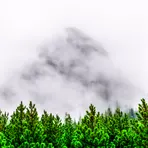
The fog obnubilated the landscape.
-
Dense fog can obnubilate the coastline, making navigation dangerous for ships.
-
The artist's intention was to obnubilate the meaning of the piece.
-
The fog began to obnubilate the landscape, making it hard to see the mountains in the distance.
-
His complicated explanation seemed to obnubilate the main idea rather than clarify it.
-
The artist's use of shadows can obnubilate certain features of the painting.
Synonyms

 266
1.9
266
1.9

Make someone unable to think clearly or make something hard to understand
 86
7.0
86
7.0
Make something hard to see or understand
 61
3.6
61
3.6
To make something hard to see or understand
 56
4.4
56
4.4
To make something less clear or bright by covering it
 17
9.1
17
9.1
To make facts or information unclear on purpose
 8
5.4
8
5.4
Hide something so you cannot see it or remember it
 7
5.2
7
5.2
To make something hard to see or understand
 4
4.2
4
4.2
Cover something completely so it cannot be seen or noticed
 3
3.1
3
3.1
To become covered with fine drops that make something less clear
 1
6.1
1
6.1
To make an outline, sound, or feeling less clear


 1
8.9
1
8.9
To make something less clear and hard to see, often by smoke, fog or strong feelings
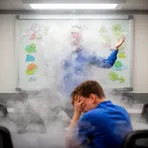
To make something hard to see or understand

To make an idea or statement unclear

Look less clear as if covered by a thin mist
Antonyms



How Unclear
- Archaic

- Formal
17
9.1
86
7.0
56
4.4
61
3.6
Surface Forms
Morphology
obnubilate = ob + nubil + ate
The parts are Latin combining forms (ob- + nubil + -ate) that are not recognisable productive morphemes for average learners, so the meaning cannot be reliably derived from the components.
Etymology
Obnubilate comes from Latin parts ob- and nubil-, with nubil- from nubes meaning 'cloud'. So, to obnubilate something is like putting a cloud over it, making it hard to see or understand.