

to haze over
- phrasal verb
- /heɪz ˈoʊvər/
- The sky hazed over before the storm.
Examples
-
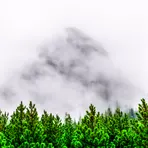
In the early morning, the mountains haze over under a blanket of mist.
-
Tears caused her vision to haze over, making it hard to read the letter.
-
As the sun set, the windows began to haze over with condensation.
-
Don't let your vision haze over during the presentation!
-
The fog began to haze over the mountains, making it difficult to see the trail ahead.
-
As the sun set, the sky started to haze over, obscuring the vibrant colors of the sunset.
-
The artist noticed that the glass panel had begun to haze over, diminishing the clarity of the artwork behind it.
Synonyms
 86
7.0
86
7.0

Make something hard to see or understand
 56
4.4
56
4.4
To make something less clear or bright by covering it
 7
5.2
7
5.2
To make something hard to see or understand
 5
2.8
5
2.8
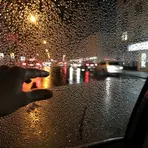
Get covered with small drops of water that make glass or mirrors hard to see through
 3
3.1
3
3.1
To become covered with fine drops that make something less clear
 1
4.7
1
4.7
To become cloudy and hard to see through


 1
8.9
1
8.9
To make something less clear and hard to see, often by smoke, fog or strong feelings
 1
3.4
1
3.4
The sky becomes covered with clouds and looks less bright

To make something hard to see or understand

Become covered with a thin layer of water that makes glass or mirrors hard to see through

To make the edges of things look dim or blurred

To cover the sky with clouds and make it look dark
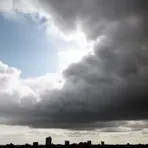
Sky becomes covered with clouds and looks gray

Make the view hard to see because of fog or smoke
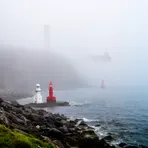
Make something unclear or hard to understand
Antonyms


How Obscured

Surface Forms
Morphology
haze + over
The meaning is directly derivable from combining 'haze' (to become cloudy or misted) with 'over' (indicating coverage or being above), yielding the image of something becoming covered by haze. The verb+over pattern commonly signals covering or a change into a covered state and is semantically transparent, so a B1 learner who knows the constituents should understand it.
Etymology
The phrasal verb haze over comes from the simple image of a thin mist, or haze, coming over windows or hills and making them hard to see. So, it now means 'to become or make less clear', like when fog, steam, or tears hide what you can see.