
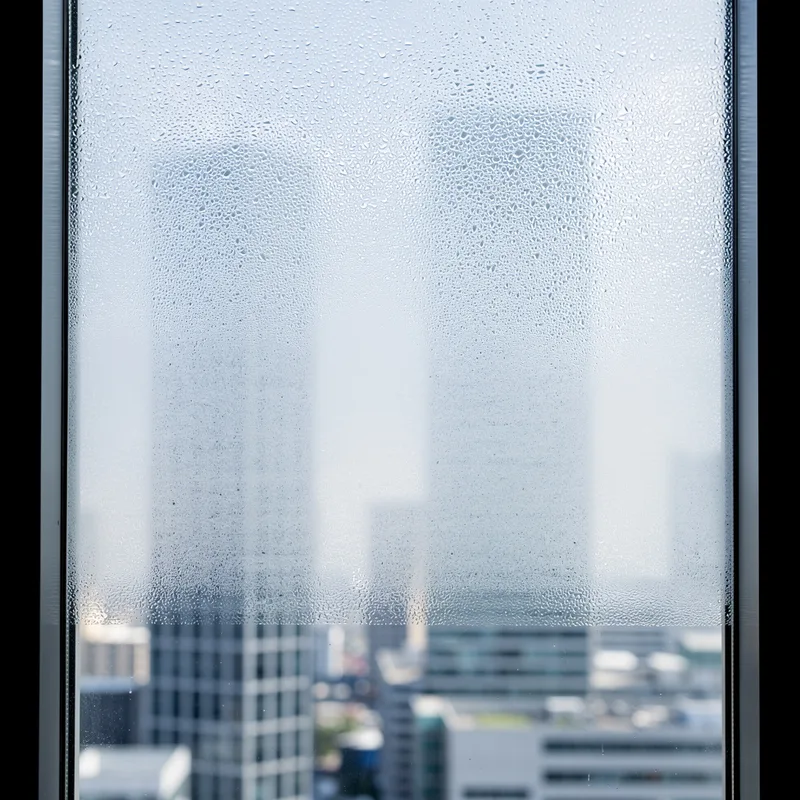
to haze
 1
4.7
1
4.7

- verb
- /heɪz/
- It approaches through the heat haze down a long straight road.
- haze the air
- hazed with dust
Examples
-
A low whine of feedback crackles from the intercom, and static hazes the television screen.
Fiction book (1990) -
The cheering filled the smoke-hazed room.
Fiction book (1994) -
We're just going to haze out that outer edge slightly.
-
Right now, when you are having a conversation with a woman, just let your eyes haze over and focus on her whole encounter.
Blog text (16) -
Here, on the ground, the whole world hazed white.
Fiction book (1990) -
Beyond, hazed by the low sun, the valley stretched away toward Hope.
Fiction book (1998) -
Rings of smoke haze the tops of the trees, making the sunlight cast ghosts across their boughs.
Fiction book (1994) -
Theca pumped something into his IV, and the world hazed out again.
Fiction book (2001) -
But the vodka had woven through his wits and hazed everything.
Fiction book (1992) -
The bright sunlight hazed the landscape, making the distant mountains look blurry.
Synonyms
 56
4.4
56
4.4
To make something less clear or bright by covering it
 7
5.2
7
5.2
To make something hard to see or understand
 5
2.8
5
2.8
Get covered with small drops of water that make glass or mirrors hard to see through
 3
3.1
3
3.1
To become covered with fine drops that make something less clear

Look less clear as if covered by a thin mist

Become covered with a thin layer of water that makes glass or mirrors hard to see through
Sky becomes covered with clouds and looks gray
Antonyms


Phrasal Verbs
Compounds


How Hazy

Surface Forms
Etymology
The verb haze (to become hazy) comes from the noun haze meaning 'mist', so picture glass or the air slowly filling with a thin cloud. That's why to haze something is to make it dull, cloudy, or hard to see.