
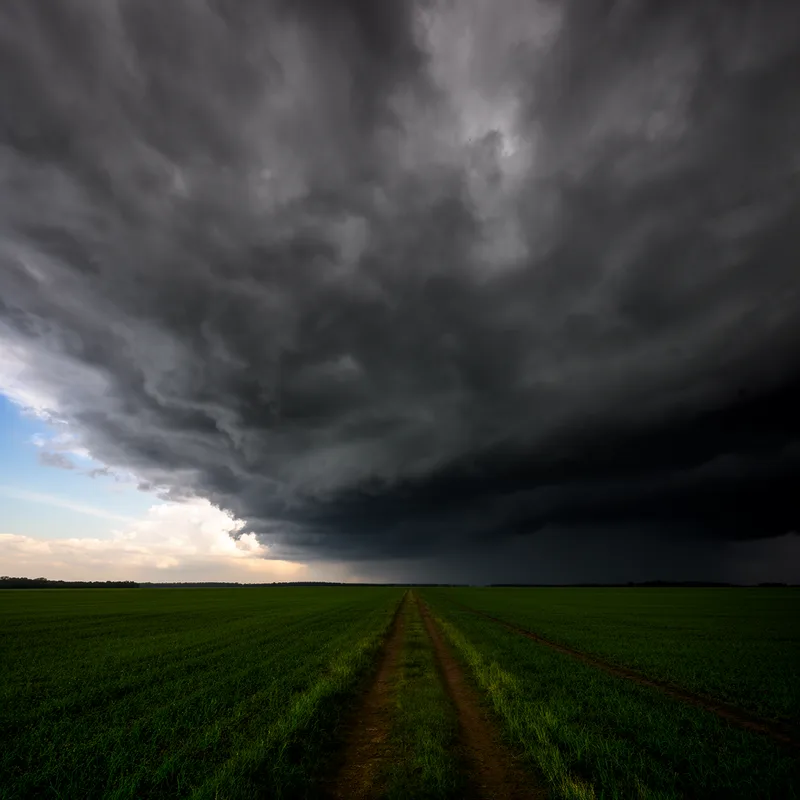
to overcast
- verb
- /ˈoʊvərˌkæst/
- As evening fell, the sky quickly overcast with thick, gray clouds, casting shadows over the landscape.
Examples
-
I do believe there are some human beings so born, so reared, so guided from a soft cradle to a calm and late grave that no excessive suffering penetrates their lot, and no tempestuous blackness overcasts their journey.
Academic text (1992) -
The dark clouds began to overcast the sunny sky, signaling a storm was approaching.
-
Above these mountains an angry sky overcast the dark clouds, lightning streets.
-
The sudden rain caused the sun to vanish as it overcast the bright afternoon with gloomy weather.
Synonyms
 56
4.4
56
4.4

To make something less clear or bright by covering it


 1
8.9
1
8.9
To make something less clear and hard to see, often by smoke, fog or strong feelings

Look less clear as if covered by a thin mist
Antonyms

Compounds

How Cloudy

Surface Forms
Morphology
Etymology
Overcast comes from over 'above' and cast 'to cover', giving the picture of clouds or darkness being 'cast over' a place, which is why to overcast somewhere is to cover it with clouds or gloom.