

nonparasitic
- adjective
- /nɒnˈpærəˌsɪtɪk/
- The disease is caused by a nonparasitic fungus rather than a harmful worm.
Examples
-
Some skin conditions result from nonparasitic infections and do not involve any parasites.
-
The nonparasitic plants thrive without harming their hosts.
-
Many plants form nonparasitic relationships with the organisms around them.
-
Many nonparasitic species contribute positively to their ecosystems.
-
The nonparasitic organisms in the ecosystem support each other without harming one another.
-
In some cases, plants can have nonparasitic relationships with fungi that help them absorb nutrients.
-
The research showed that nonparasitic bees gather pollen without living off the plants.
Synonyms

A living thing that lives on its own and not on another animal or plant
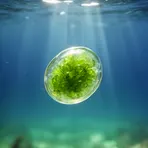
Living alone without depending on another living thing
Antonyms
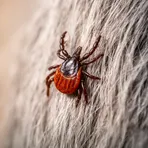


How Parasitic

Surface Forms
Morphology
Etymology
Nonparasitic has the part non- meaning 'not' and the word parasite, which once described someone who 'eats at another's table', so a nonparasitic organism does not live on or feed from another organism like a parasite.