

nonsymbiotic
- adjective
- /ˌnɒnˈsɪmbɪˌɒtɪk/
- Specialized
- Some species of algae are entirely nonsymbiotic, thriving on their own in various environments.
Examples
-
The bacteria can exist in a nonsymbiotic state, living independently of plants or animals.
-
Many plants are nonsymbiotic and do not rely on other species.
-
In a nonsymbiotic relationship, neither organism relies on the other for survival.
-
The nonsymbiotic bacteria thrive independently in the soil.
-
Some species of algae are entirely nonsymbiotic, thriving on their own in various environments.
-
The bacteria can exist in a nonsymbiotic state, living independently of plants or animals.
-
Many plants are nonsymbiotic and do not rely on other species for nutrients.
Synonyms
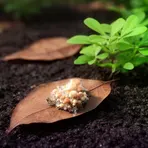
Not living on or inside another living thing to get food

A living thing that lives on its own and not on another animal or plant
Antonyms
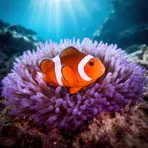


How Symbiotic

Surface Forms
Morphology
Etymology
Nonsymbiotic begins with non- meaning 'not' and comes from symbiotic, which has parts sym- meaning 'together' and bio meaning 'life', as in biology. So, a nonsymbiotic organism is 'not living together' with another and lives on its own.