
parasitic
 11
6.6
11
6.6

- adjective
- /ˌpærəˈsɪtɪk/
- Offensive
- There is a parasitic worm that gets into a killifish.
- essentially parasitic
Loading YouTube…
Watch on YouTubeBut it also had this truly parasitic ruling class.
- But it also had this truly parasitic ruling class.
- There's talk about it being a parasitic, spiritual or viral kind of thing.
- And so this is a very parasitic transactional man.
- Trump is parasitic and he is transactional.
- That's one price I'm paying for a service you're actually offering, not just some parasitic exploitation.
- The replacement by the Earth people telling Mars what to do, the old parasitic greed of the kings and their hench men.
- Narcissism is a very parasitic style.
- So we have a, we have a tax code that discourages work and encourages parasitic behavior.
- And therefore, I argue in the book that all of these parasitic ideas originally started with a noble goal.
- Narcissistic relationships are parasitic and basically siphon off the best parts of ourselves, leaving us to make do with what is left.
- And there's been parasitic ideologies that have taken up opportunity to, to populate this Petri dish of, of mines, right.
- So you have reclaimed consciousness from these parasitic entities.
- I mean, really these are, you know, they're parasitic terms.
Examples
-
But it also had this truly parasitic ruling class.
-
Her research interests include parasite biology and immunodiagnosis of parasitic diseases.
Academic text (2014) -
by reason of its parasitic nature.
-
Tourism, then, was parasitic on the war's networks and sites.
Academic text (1993) -
The finance industry has a tendency to become increasingly parasitic the larger it grows.
Blog text (14) -
Wouldn't a simpler explanation be that the plants are being damaged by parasitic insects?
-
It is so divisive, so parasitic, so toxic.
-
Many of us contend that it is, by nature, a parasitic, thieving, deceiving institution.
Blog text (24) -
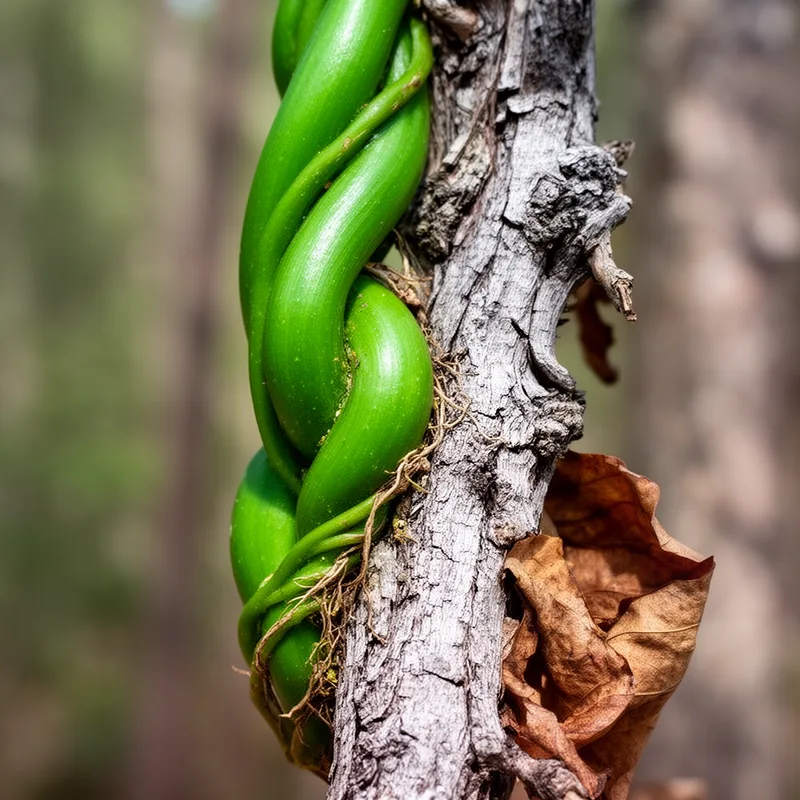
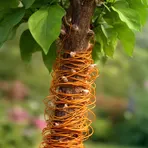
The parasitic vine takes nutrients from the tree it climbs without providing any benefits in return.
-
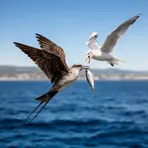
Some types of fish develop a parasitic relationship with larger fish, feeding on their skin and fluids.
Synonyms
 1
8.4
1
8.4
Living by taking from others without giving anything back
 1
7.4
1
7.4
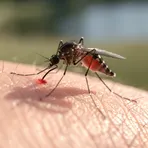
Feeding on other animals by sucking their blood

Being someone who takes money or help from others without giving anything back
Antonyms


Compounds

- Specialized

 1
4.4
1
4.4
A small animal that lives inside another animal and takes its food, often causing sickness
How Exploitative

Surface Forms
Morphology
Etymology
Parasitic comes from the same Greek image of a person who eats at someone else's table: para- 'beside' and sitos 'food' gave us parasite. That's why we call a person or thing parasitic when it takes advantage of others and gives nothing back.