

nongregarious
- adjective
- /nɒnɡrəˈɡɛəriəs/
- The nongregarious habits of the bird make it difficult to observe in the wild.
Examples
-
Some cacti remain nongregarious, spacing themselves apart rather than growing in clusters.
-
Certain nongregarious insects, like solitary bees, do not form colonies.
-
The nongregarious species prefers to grow alone in the wild.
-
Many nongregarious animals avoid social interactions.
-
Certain nongregarious insects, like solitary bees, do not form colonies.
-
Some cacti remain nongregarious, spacing themselves apart rather than growing in clusters.
-
The nongregarious habits of the bird make it difficult to observe in the wild.
Synonyms

 191
4.6
191
4.6

Being alone and not with other people or things
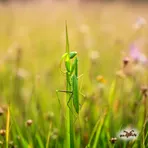
Not living in groups or colonies

Made of single animals or cells that live alone rather than in groups
Antonyms
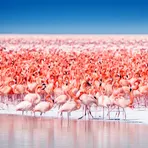


How Gregarious

Surface Forms
Morphology
nongregarious = gregarious (transparent) = non + gregarious
Meaning is a straightforward negation of 'gregarious' using the productive negative prefix 'non-'.
Etymology
Nongregarious comes from the non- part 'not' and the root greg 'flock' or 'group', the same part you see in gregarious and congregate. So, a nongregarious plant or animal lives alone rather than in a group.