

noncolonial
6.7
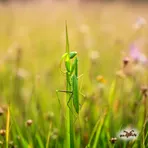
Made of single animals or cells that live alone rather than in groups
- adjective
- /nɒn.kəˈloʊ.ni.əl/
- Specialized
:
no colonial
- Many species of plants are noncolonial, growing independently rather than in large clusters.
Examples
-
Each animal in the ecosystem is noncolonial, living and feeding separately from the others.
-
The noncolonial nature of these organisms allows them to thrive in diverse environments.
-
It is clear, though, that through the actions of individual, noncolonial settlers, "what could be" becomes reality.
Academic text (2009)
Synonyms
7.3
Not living in groups or colonies
emphasizes absence of colony formation rather than social interaction

nongregarious
vsnoncolonial
9.9
Not living or growing in groups
highlights specifically not forming colonies rather than general solitude

noncommunal
vsnoncolonial
7.1
Only one person or group uses it
applies to organisms being separate individuals rather than private sharing
Antonyms



Surface Forms
noncolonial positive
Morphology
Etymology
Noncolonial starts with non- ('not') and the part colonial, which comes from colony meaning 'a group' or 'settlement' — think of ants or bees living together in a colony. So noncolonial means 'not living in a colony', used for animals or organisms that live alone rather than in a group.