

to nitrate


 1
7.9
1
7.9
- verb
- /ˈnaɪˌtreɪt/
- Specialized
- OK, so it would do this pushing too and you could nitrate Aniline.
Examples
-
They watched a scientist demon mixed nitrate, sulfate and glycerin, then flicked the yellow oil which exploded off his fingers.
-
What does amyl nitrate do for you?
-
The transformation to nitrate through the process of nitrification occurs in the soil.
Academic text (2000) -
The researcher decided to nitrate the soil to enhance crop growth.
-
Farmers often nitrate the fields to provide essential nutrients for their plants.
-
To create explosives, they first need to nitrate various compounds in the laboratory.
Synonyms

To add nitrogen fertilizer to soil to help plants grow

To add nitrogen to something in a chemical process
Compounds

- Specialized
11
4.9
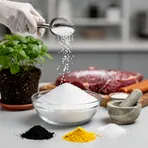
A white chemical used to help crops grow and to make explosives and rocket fuel
- Specialized
2
4.7
A white salt used to help plants grow, make explosives, and preserve food

- Specialized
1
4.0
A white substance people use as a fertilizer and to make explosives

- Specialized
A white salt that absorbs water from the air, dissolves in water, and is used as a fertilizer

- Specialized
A very flammable material made from plant fibers and a strong acid, used in lacquers, early photographic film, and explosives

A white solid salt made from aluminium and nitric acid used in dyeing and laboratory work

- Specialized
A yellow substance that dissolves in water, contains uranium and is used in nuclear labs
Surface Forms
Etymology
Nitrate as a verb comes from the noun nitrate and simply means 'to add a nitrate group' or 'to treat with nitric acid'. So to nitrate a substance is to give it nitrate chemicals, which is why chemists nitrate materials when making fertilizers or explosives.