
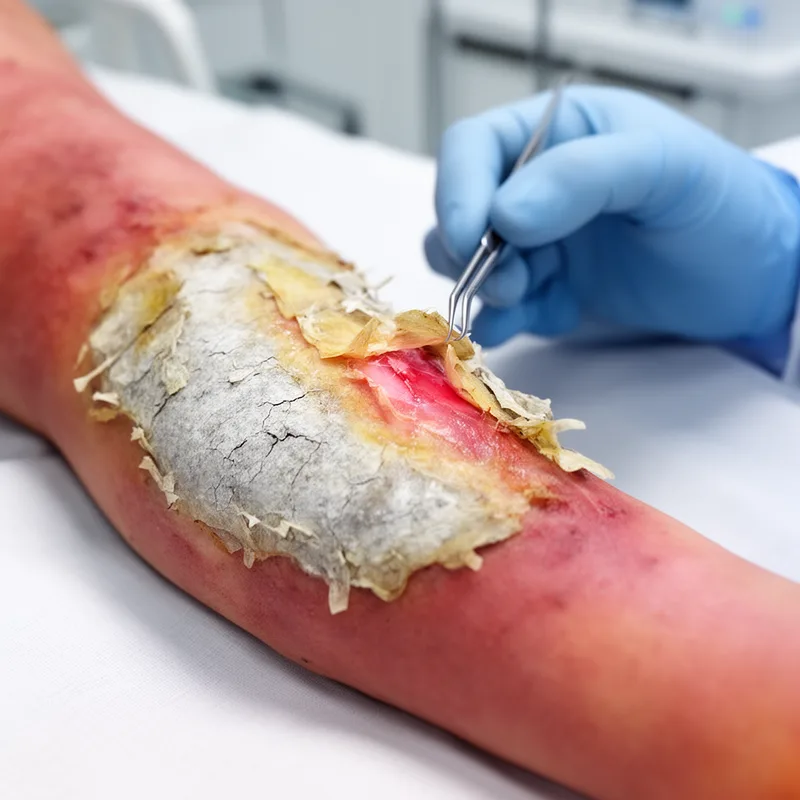
necrolysis


 1
9.9
1
9.9
- noun
- /nɛkˈroʊlɪsɪs/
- NSFW
- What is necrolysis?
Examples
-
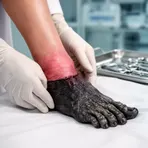
Widespread necrolysis was observed in the patient's burned tissue.
-
Treatment focused on removing areas affected by necrolysis to prevent infection.
-
The doctor explained that necrolysis can occur as a complication of severe skin reactions.
-
The doctor explained that necrolysis occurs when tissues die.
-
Toxic epidermal necrolysis can lead to serious complications if not treated promptly.
-
Patients suffering from severe burns often experience necrolysis of the affected tissues.
-
The doctors explained that necrolysis occurs when dead tissue is broken down by the body.
Synonyms
 24
1.6
24
1.6
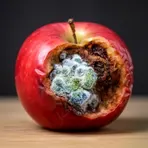
The breaking down of things like food or wood by bacteria and mold
 23
5.3
23
5.3
Breaking dead plants and animals into simpler material by bacteria and fungi
 16
8.7
16
8.7
Dead tissue caused by infection or loss of blood
 11
8.2
11
8.2
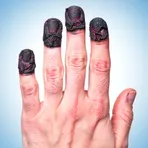
Death of body cells and tissue in one area caused by injury, infection, or loss of blood
 1
9.3
1
9.3
The breaking open and death of cells that releases their contents
 1
9.9
1
9.9
The breaking down of animal or plant tissue by its own enzymes after death
 1
9.9
1
9.9
Death of body tissue in one place often caused by infection
Surface Forms
Morphology
Etymology
Necrolysis is made of necro- 'dead' and -lysis 'breaking apart', the same -lysis you see in analysis or dialysis. So, necrolysis means the breaking down of dead tissue in the body.