
to naw
- verb
- /nɔ/
- UK
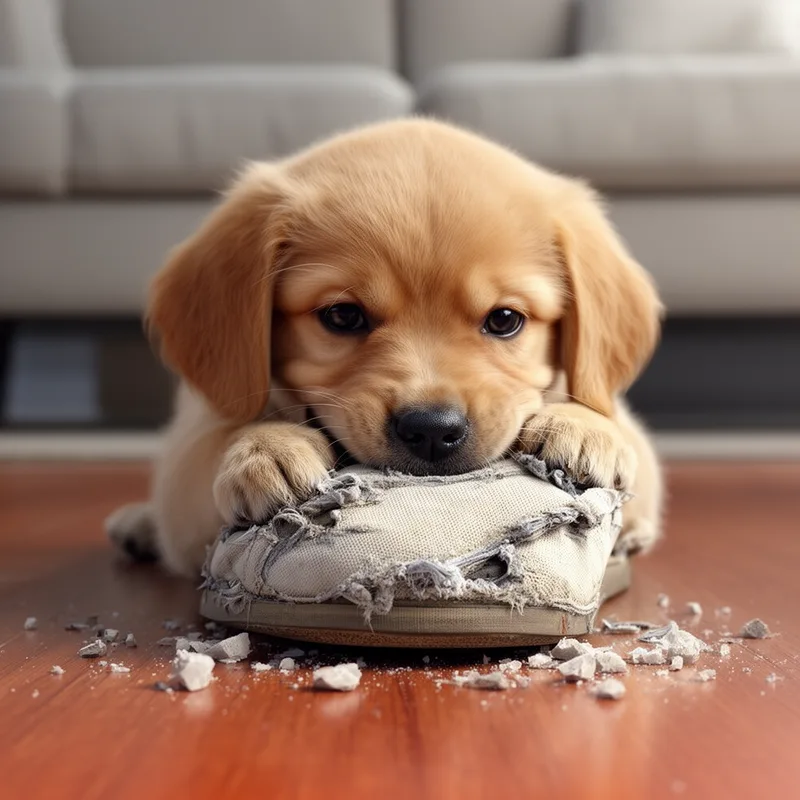
- The puppy began to naw the old slipper steadily, leaving bits of fabric and foam everywhere.
Examples
-
Kids sometimes naw on pencils when they are nervous or bored in class.
-
He watched the mouse naw at the piece of cheese in the corner of the room.
-
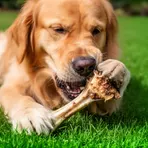
The dog loves to naw on its favorite toy.
-
He always naws on his pencil when he thinks.
-
The puppy began to naw the old slipper steadily, leaving bits of fabric and foam everywhere.
-
Kids sometimes naw on pencils when they are nervous or bored in class.
-
He watched the mouse naw at the piece of cheese in the corner of the room.
Synonyms

 768
1.0
768
1.0

To use the teeth to cut, grip, or tear something
 30
3.2
30
3.2
Bite or chew something again and again to make it smaller
 12
3.2
12
3.2
A small, gentle bite often made carefully by an animal or person
 7
6.1
7
6.1
To make someone feel worried or less confident for a long time
 6
5.3
6
5.3
A strong bite or chew that makes a loud sound
 5
3.9
5
3.9
To damage something badly, often by biting or tearing

To chew something slowly and repeatedly with small bites

To chew food with the teeth
How Strong

Surface Forms
Etymology
Naw is a dialect form of gnaw, the same word for chewing where the 'g' is not heard. So to 'naw' something is to 'bite' or 'chew' it away slowly.