

to lay aside
 1
3.5
1
3.5

- phrasal verb
- /leɪ əˈsaɪd/
- First, lay aside any perfectionism.
Examples
-
Every month, I try to lay aside some money to save for my vacation.
-
I had to lay aside all glorious ambitions to save the world, either by myself or in concert with a special cadre of beings.
Academic text (1990) -
"On the first day of the week, let each one of you lay something aside, storing up as he may prosper." - I Cor 16:1,2
Blog text (26) -
She decided to lay aside a portion of her salary for her retirement fund.
-
To prepare for emergencies, it's wise to lay aside some resources each month.
Synonyms
 ∞
1.0
∞
1.0
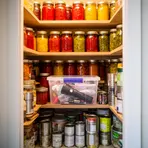
To store something for later use
 ∞
1.0
∞
1.0
Keep something for use later
 463
1.0
463
1.0
To put something away to use later
 257
1.3
257
1.3
To put money aside instead of spending it now
 225
2.0
225
2.0
To place something in its usual place for storage
 145
3.1
145
3.1
To keep something for a particular person or purpose
 144
5.1
144
5.1
To hide money or things in a secret place for later
 87
2.6
87
2.6
To put money aside little by little for something you want
 87
3.4
87
3.4
Save money or time for a special purpose
 26
2.1
26
2.1
Keep or save something for future use
 24
2.4
24
2.4
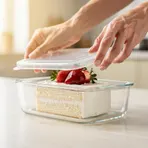
To move something out of the way so you do not use it for now
 23
3.0
23
3.0
Keep something to use at a later time
 17
3.2
17
3.2
Keep something for later use
 4
5.3
4
5.3
To save money or things over time, often secretly
 3
2.6
3
2.6
To put something in a safe place to use later
 3
2.9
3
2.9
Put money aside to use if something unexpected happens
 2
4.0
2
4.0
To get and keep extra supplies for use later
 2
2.8
2
2.8
Save part of something to use later


 1
4.7
1
4.7
To save money or keep goods for later
 1
6.7
1
6.7
To save money little by little to use later
Antonyms

How Much
45
4.8

- Informal
13
4.9
1
3.5
644
1.0
24
2.4
Surface Forms
Morphology
The meaning 'to save or accumulate for future use' is directly derivable from combining 'lay' (to put or place) with 'aside' (to one side / for later). This verb + particle composition follows a common, cross-linguistic pattern (put/place + aside) and would be understandable to a B1 learner who knows both constituents.
Etymology
The phrasal verb lay aside comes from the simple image of putting something to one side: you lay a coin aside, into a jar instead of spending it, so it now means 'to save' or 'keep for the future'.