
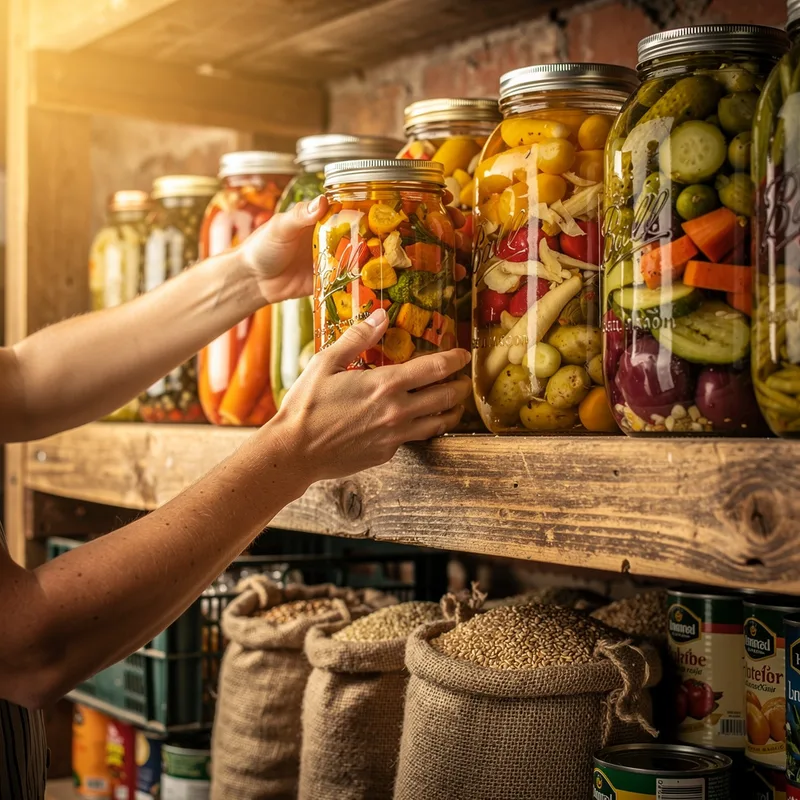
to put in
 26
2.1
26
2.1

- phrasal verb
- /pʊt ɪn/
- To save for her vacation, she decided to put in a portion of her paycheck each month.
Loading YouTube…
Watch on YouTubeThere's enough stuff in there that I put in for people who knew the book.
- There's enough stuff in there that I put in for people who knew the book.
Examples
-
Saban himself, coaches assure, put in as much or more hard work himself as he asked of them.
Blog text (14) -
Problems where no matter how much effort we put in, it never gets better.
-
The first mistake is not putting in enough time.
-
And so I just had to put in a lot of work during that time.
-
Maybe you gotta put in the work, you ever think about that?
-
Everyone wants to win, but they have to put in effort, a lot of courage, time, and pain.
Academic text (1998) -
Otherwise, it makes less sense to put in resources for building apps.
Blog text (13) -
I mean, you've put in a lot of time.
-
During calving time, I put in some long days.
Fiction book (1995) -
All the wire I put in is up to code, inspected and approved.
Synonyms
 ∞
1.0
∞
1.0
To store something for later use
 ∞
1.0
∞
1.0
Keep something for use later
 463
1.0
463
1.0
To put something away to use later
 225
2.0
225
2.0
To place something in its usual place for storage
 145
3.1
145
3.1
To keep something for a particular person or purpose
 87
3.4
87
3.4
Save money or time for a special purpose
 44
2.5
44
2.5
To put something down carefully in a particular place
 23
3.0
23
3.0
Keep something to use at a later time
 17
3.2
17
3.2
Keep something for later use
 13
4.9
13
4.9
Put something in a hidden place to use later
 3
2.6
3
2.6
To put something in a safe place to use later
 2
4.0
2
4.0
To get and keep extra supplies for use later
 2
2.8
2
2.8
Save part of something to use later
 1
3.5
1
3.5
Save money for future use


 1
6.7
1
6.7
To save money little by little to use later
 1
4.7
1
4.7
To save money or keep goods for later
 1
3.9
1
3.9
To put things in a safe place for later use
 1
9.9
1
9.9
To put something away in a safe place to keep it
Put money or things aside in a safe place to use later
Antonyms


How Stored

Surface Forms
Morphology
The sense 'to formally submit' is an extended, metaphorical use of 'put' + 'in' (you 'place' an application into a process or system), so there is a visible link to the literal meanings. However, the submission sense depends on collocational convention (put in an application/request) rather than strict compositional rules, so a B1 learner who only knows the words may only partially infer the meaning and may not reliably predict it without prior exposure.
Etymology
Put in comes from saving things by putting them into a store or box for later, like farmers who put grain in a barn for the winter. So, it means 'to keep or store for future use'.