
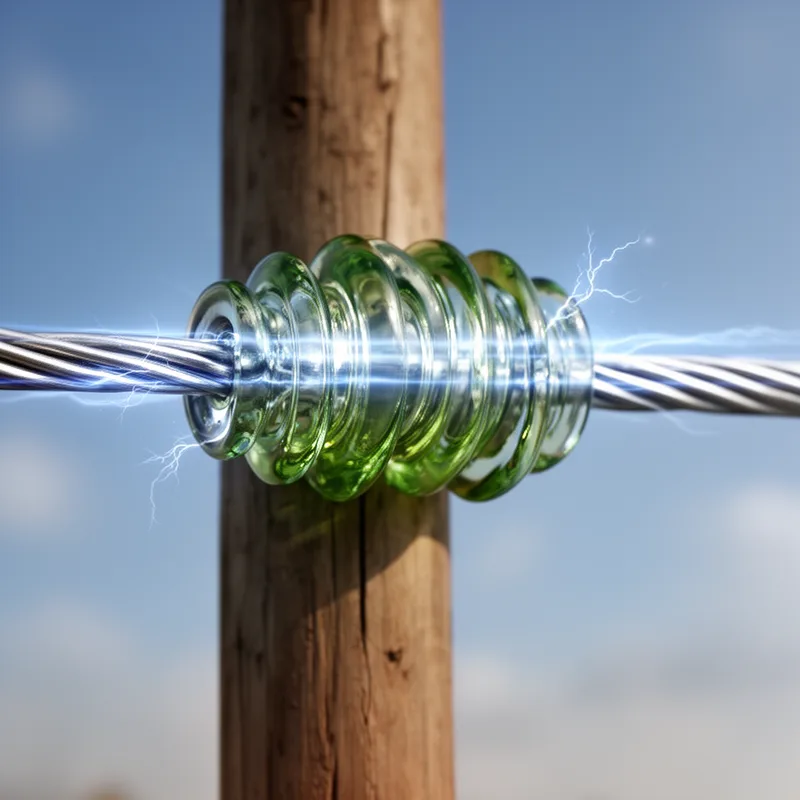
insulator
 5
4.7
5
4.7

- noun
- /ˈɪnsəˌleɪtər/
- Specialized
- Glass is a common insulator used to prevent the flow of electricity.
- electrical insulator
- metal-insulator
- insulator transition
Loading YouTube…
Watch on YouTubeHe was, he was looking at the, the resistance of two pieces of semiconductor with an insulator in between.
- He was, he was looking at the, the resistance of two pieces of semiconductor with an insulator in between.
Examples
-
The glass and ceramic objects between the wire and the metal of the pylon are insulators that stop the electricity leaking from the wires into the pylon and down to the earth.
-
But what can we use as an insulator?
-
No, cotton is not a good enough insulator.
-
OK, so fur is a great insulator, and mammals do very well in the cold.
-
What's important is that the product be stable, strong, weather-resistant, and a good insulator.
Academic text (1996) -
It's an electrical insulator.
-
Down feathers serve as an excellent insulator, keeping you warm in cold weather.
-
The plastic insulator protects the wire from contact with metal surfaces and prevents short circuits.
Synonyms

 1
9.3
1
9.3
A material that does not let electricity or heat pass and is used in electrical parts like capacitors
A material that does not let electricity or heat pass through it

A material like foam that keeps heat, sound, or electricity from passing through
Antonyms
How Insulating

Surface Forms
Morphology
Etymology
The word insulator comes from the Latin word insula, which means 'island' and is the same idea behind the English word isolate. An insulator works like a tiny island that stops electricity or heat from moving through, so materials like glass or rubber keep us safe.