

nonconductor
7.5
A material that does not let electricity or heat pass through it
- noun
- /ˌnɒnkənˈdʌktər/
:
no conductor
- Paper serves as a nonconductor.
Examples
-
Rubber is a common nonconductor material that helps protect against electrical shocks.
-
Glass is an excellent nonconductor of electricity, making it safe for use in electrical applications.
-
Porcelain is often used in electrical insulators because it acts as a nonconductor of heat.
Synonyms

 5
4.7
5
4.7

A material like glass that does not let electricity or heat pass through
describes materials that allow only a very small amount of electricity or heat through
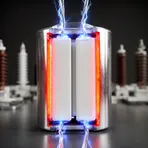

 1
9.3
1
9.3
A material that does not let electricity or heat pass and is used in electrical parts like capacitors
applies to materials that block electricity or heat more generally, not only in electronics
Antonyms

How Conductive
superconductor
10
6.4
- Specialized
10
6.4

conductor
14
3.9
- Specialized
14
3.9
nonconductor
7.5
insulator
5
4.7
- Specialized
5
4.7
Surface Forms
nonconductor singular
nonconductors plural
Morphology
Etymology
Nonconductor is made from non- meaning 'not' and conductor, which shares the root with the verb conduct meaning 'to lead' — think of a music conductor who leads an orchestra. So, a nonconductor is a material that does 'not' lead electricity or heat.