

immotility
- noun
- /ˌɪməˈtɪləti/
- Specialized
- The immotility of the sperm cells was a significant factor in the couple's infertility.
Examples
-
In some neurological disorders, immotility can affect a person's ability to perform basic movements.
-
After the stroke, her immotility was alarming to the doctors.
-
The researchers studied the effects of chemicals on the immotility of certain bacteria under the microscope.
-
The patient experienced severe immotility after the accident.
-
In some neurological disorders, immotility can affect a person's ability to perform basic movements.
-
The immotility of the sperm cells was a significant factor in the couple's infertility.
-
After the stroke, her immotility was alarming to the doctors.
Synonyms

 4
6.3
4
6.3

A state of no movement or not being able to move
 1
7.5
1
7.5
A state of not moving or not reacting to change

Loss of the ability to move muscles on purpose

Not being able to move parts of the body on purpose
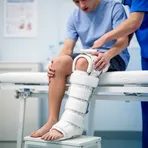
The state of being unable to move part of the body because of injury or being held still

A state in which something does not move or change

A time when a person or thing is completely still

A state when action, services, or decisions stop because of a problem
Antonyms

How Mobile

Surface Forms
Morphology
Etymology
The word immotility comes from the prefix im- meaning 'not' and the root mot meaning 'move', the same root you see in motion and motor. So, immotility means 'not moving' or a lack of movement, often used in medicine to talk about cells or people who cannot move.