

hypothetical creature
- noun
- /ˌhaɪpəˈθɛtɪkəl ˈkriːtʃər/
- Scientists sometimes speculate about the existence of hypothetical creatures based on unexplained evidence or folklore.
Examples
-
Many myths describe hypothetical creatures that have never been found in the wild.
-
The hypothetical creature was described in the novel.
-
The search for hypothetical creatures like the Loch Ness Monster fascinates both researchers and the general public.
-
Scientists often debate about the existence of hypothetical creatures.
-
Scientists often debate the characteristics of a hypothetical creature that could inhabit the depths of unexplored oceans.
-
In her fantasy novel, the author described a hypothetical creature that could fly and breathe fire.
-
The documentary featured a segment on hypothetical creatures that might live on distant planets.
Synonyms

 4
5.9
4
5.9

An imaginary being like a dragon or unicorn with magical powers
 1
7.0
1
7.0
A made-up animal or being from old stories that people often say is real


 1
8.1
1
8.1
A frightening creature from stories or legends that is not real

A creature that people imagine and that is not real
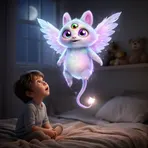
A made-up being that exists only in stories or imagination

An animal that only appears in stories and myths, not in real life
Antonyms

How Likely
23
4.0
 4
5.9
4
5.9
- Literature
Surface Forms
Morphology
The meaning 'an imagined or proposed being not proven' is directly and transparently derived from combining 'hypothetical' (posited without proof) with 'creature' (an animal or imagined being). This adjective + noun compositional pattern is regular and cross-linguistically common, so a B1 learner who knows both constituents should infer the MWE's meaning easily.
Etymology
The term hypothetical creature creates a picture of a creature that exists only in a 'what if' idea or story, not in real life. That's why it means an animal or being that is 'imagined', 'proposed' but 'not proven'.