

fungus kingdom
- noun
- /ˈfʌŋɡəs ˈkɪŋdəm/
- Specialized
- Unlike plants, organisms in the fungus kingdom lack chlorophyll and obtain nutrients by absorption.
Examples
-
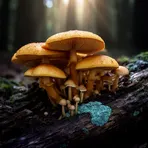
The fungus kingdom includes mushrooms, molds, and yeasts, all distinct from plants and animals.
-
Scientists have discovered new species within the fungus kingdom, expanding our understanding of fungal diversity.
-
Biologists now classify smuts and rusts within the fungus kingdom because of their unique characteristics.
-
The fungus kingdom includes a wide variety of organisms.
-
Did you know about the fungus kingdom?
-
The fungus kingdom includes many fascinating organisms such as mushrooms, molds, and yeasts.
-
Researchers study the fungus kingdom to learn more about its role in ecosystems and its differences from plants.
Synonyms
 23
4.8
23
4.8

Living things like mushrooms, molds, and yeasts that get food from dead plants or animals

A large group of living things that includes mushrooms and yeasts

A group of living things like mushrooms and molds that have cell walls and cannot make their own food

A main group of fungi like mushrooms and molds that have cells with walls made of chitin

A group of fungi that have cell walls containing chitin
Surface Forms
Morphology
The meaning 'the taxonomic kingdom comprising fungi' is directly and compositionally derived from 'fungus' (organisms like molds and mushrooms) + 'kingdom' (a taxonomic rank grouping related organisms). This noun-noun taxonomic construction is cross-linguistically common and follows simple semantic composition, so a B1 learner who knows both constituents will understand the MWE.
Etymology
The term fungus kingdom names the big group of living things made up of mushrooms, molds and yeasts. It comes from putting fungus and kingdom together: scientists used the idea of a 'kingdom' — a separate, large group — to show these organisms are not plants or animals, so the phrase means the group we call fungi.