
Eumycetes

Eumycetes

9.9
A group of fungi that have cell walls containing chitin
  • noun
  • /juːˈmaɪsiːtiːz/
  • Specialized
translation icon : Eumicetos
  • Unlike slime molds, Eumycetes possess cell walls containing chitin.

Examples

  • Many plant diseases are caused by pathogenic species of Eumycetes.

  • Scientists studied the characteristics of Eumycetes to better understand fungal evolution.

  • The Eumycetes are fascinating.

  • Did you see the Eumycetes exhibit?

  • Many plant diseases are caused by pathogenic species of Eumycetes.

  • Scientists studied the characteristics of Eumycetes to better understand fungal evolution.

  • Unlike slime molds, Eumycetes possess cell walls containing chitin.

Synonyms

Eumycota
vsEumycetes
  • Specialized
9.9

A group of living things like mushrooms and molds that have cell walls and cannot make their own food

is the alternative taxonomic name for that same division
division Eumycota
vsEumycetes
  • Specialized
9.6

A main group of fungi like mushrooms and molds that have cells with walls made of chitin
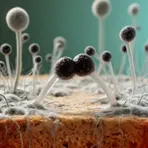
is the general term for that same group in classification
Zygomycota
vsEumycetes
  • Archaic
9.9

A group of fungi that make zygospores when they reproduce sexually

is the broad fungal division not limited to one reproductive trait
Zygomycotina
vsEumycetes
  • Archaic
9.9

A former group of fungi that make thick sexual spores

is the overall group of true fungi regardless of zygospore use
Zygomycetes
vsEumycetes
  • Archaic
9.9

Fungi that often grow on bread or soil and make thick spores
is the wider fungal division not restricted to that class trait
Mastigomycota
vsEumycetes
  • Archaic
9.9

A group of fungi whose spores and reproductive cells can move
is the general fungal division not defined by motility of spores
Mastigomycotina
vsEumycetes
  • Archaic
9.9

Fungi that make swimming spores and are now usually placed in other groups
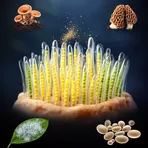
is the broad taxonomic division that does not stress motile forms
Ascomycotina
vsEumycetes
  • Specialized
9.9

A large group of fungi that produce spores in small sacs called asci

is the wider fungal division not limited to sac spore formation
Ascomycetes
vsEumycetes
  • Specialized
9.9

A group of fungi that make spores inside small sacs

is the broader taxonomic division encompassing more than sac producers
Pyrenomycetes
vsEumycetes
  • Specialized
9.9

A group of fungi that make small closed parts that hold spores, including ergot and powdery mildew

is the larger fungal division not defined by that specific body
Discomycetes
vsEumycetes
  • Archaic
9.9

A group of fungi with disk or cup-shaped parts that make spores

is the general fungal division not limited to that fruiting shape
Basidiomycetes
vsEumycetes
  • Specialized
9.9

A group of fungi that includes mushrooms, puffballs, and shelf fungi

is the overall true fungi group containing many different classes
Homobasidiomycetes
vsEumycetes
  • Specialized
9.9

A group of fungi that includes mushrooms and puffballs

is the broader division that includes many subclasses and classes
Hymenomycetes
vsEumycetes
  • Archaic
9.9

A former group of fungi that included mushrooms and bracket fungi

is the wider fungal division not confined to that former class
Gastromycetes
vsEumycetes
  • Archaic
9.9

A former group of fungi with spores that grow inside closed bodies like puffballs or earth stars

is the general fungal division not defined by enclosed hymenia
Gasteromycetes
vsEumycetes
  • Archaic
9.9

A name once used for fungi whose spores form inside, like puffballs and earth stars

is the broad taxonomic group not focused on that enclosed form
Plectomycetes
vsEumycetes
  • Archaic
9.9

A group of fungi that make closed spore sacs that open only when they decay or break

is the general fungal division not limited to closed fruiting types
Tiliomycetes
vsEumycetes
  • Specialized
9.9

A group of fungi that includes smuts and rusts

is the wider fungal division not restricted to plant pathogens
Chytridiomycetes
vsEumycetes
  • Specialized
9.9

A group of fungi that live mostly in water and often grow on dead plants or attack animals like frogs

is the broad fungal division that includes terrestrial and aquatic forms
Deuteromycetes
vsEumycetes
  • Archaic
9.9

Fungi whose sexual reproduction is not known
is the general division of true fungi that includes species with known stages
Deuteromycotina
vsEumycetes
  • Archaic
9.9

A group of fungi with no known sexual stage

is the broader fungal division that contains groups with known reproduction
class Deuteromycetes
vsEumycetes
  • Archaic
9.9

A former group of fungi with no known sexual stage
is the broader taxonomic division not defined by absence of sexual stages
Fungi imperfecti
vsEumycetes
  • Archaic
9.9

A group of fungi with no known sexual stage

is the large division of true fungi that includes those with known sexual stages

Surface Forms

Eumycetes singular
Eumycetes plural

Morphology

Eumycetes = eumycete (opaque) = eu + mycete + s

Formation of the plural 'Eumycetes' from the noun 'eumycete' is a straightforward and regular pluralization.

Etymology

Eumycetes comes from the Greek parts eu- meaning 'true' or 'good' and myc- meaning 'fungus', a root you meet in words about mushrooms. So Eumycetes literally means 'true fungi', which is why it names the group of real fungi rather than slime molds.