
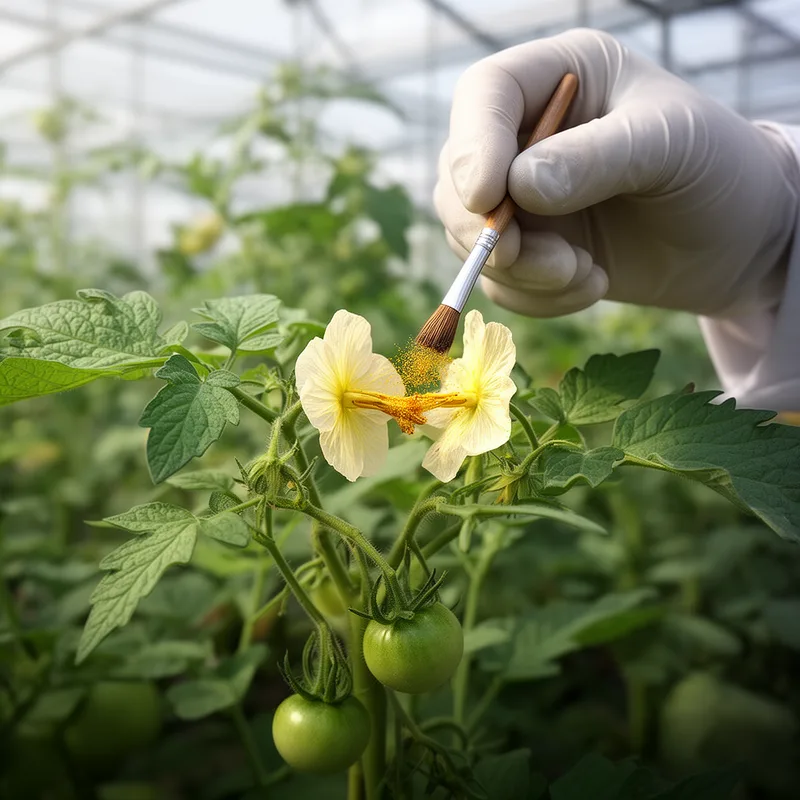
to fecundate
- verb
- /fɛˈkʌndeɪt/
- Specialized
- Scientists are studying how certain fish can fecundate eggs in aquatic environments.
Examples
-
The farmer applied a special fertilizer to fecundate the soil and boost crop production.
-
This suggests that she is (or was) also an earth mother whose womb (the wax gourd) was fecundated by the Sun.
Academic text (2016) -
In the scene above, the old woman appears in the darkness of night, the fecundating rain having just ceased to fall.
Academic text (1995) -
Traditionally, the shadow has been seen in its double capacity as an omen of death and as a fecundating agent.
Academic text (2002) -
The fecundating boglands waiting to infiltrate undo the precision.
Fiction book (1997) -
Endocrinologists measured hormonal levels in some of the subjects, while urologists took semen samples from some of the men to measure their "fecundating properties."
Academic text (1990) -
At the same time, the motif epitomizes the paradoxical nature of the thunderstorm: the rainfall that fecundates the earth to benefit humanity is frequently accompanied by violent gales and destructive lightning strikes that may result in loss of life and property.
Academic text (2008) -
To encourage growth, the gardener used compost to fecundate the flower beds.
Synonyms

 167
1.8
167
1.8

To make animals have babies, often by choosing their parents
 34
4.0
34
4.0
To make an egg or plant cell start growing by joining it with a male cell
 32
7.2
32
7.2
To make a woman, female animal, or an egg start to grow a baby
 15
8.3
15
8.3
Put sperm into a woman or female animal so she can become pregnant
 12
4.2
12
4.2
To move pollen from one flower to another so it can make seeds

 1
4.9
1
4.9
Move pollen from one flower to another so the plants can make seeds

To move pollen from the male part of a flower to the female part so the plant makes seeds
Antonyms

- Specialized
15
5.8
To make a person or animal unable to have children by a medical operation
Surface Forms
Morphology
Etymology
Fecundate comes from the Latin root fecundus, which means 'fruitful' or 'fertile'. So, to fecundate is to make a plant or animal able to produce fruit or young.