

to cross-pollinate


 1
4.9
1
4.9
- verb
- /ˈkrɔsˌpɒləˌneɪt/
- Specialized
- To encourage diversity in your garden, you can cross-pollinate different varieties of tomatoes.
Loading YouTube…
Watch on YouTubeThat's a very extreme thought, but you might need those seeds to to cross pollinate to make a more powdery mildew resistant pumpkin.
- That's a very extreme thought, but you might need those seeds to to cross pollinate to make a more powdery mildew resistant pumpkin.
Examples
-
Bees help cross-pollinate various plants, which is essential for their reproduction.
-
Gardeners often choose to cross-pollinate flowers to produce new, vibrant colors.
-
Soybean is a tropical plant that cannot cross pollinate with peas, cannot cross pollinate with beans.
-
That's a very extreme thought, but you might need those seeds to to cross pollinate to make a more powdery mildew resistant pumpkin.
-
Maybe you do not understand that GMO corn, beans, or anything (genetically modified organisms) can be no different than what Mother Nature does when bees (or wind, in corn's case) cross-pollinate a plant.
Blog text (8)
Synonyms
 34
4.0
34
4.0
To make an egg or plant cell start growing by joining it with a male cell
 23
3.9
23
3.9
To breed two different varieties or species to produce offspring
 12
4.2
12
4.2
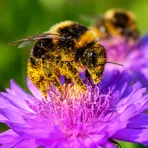
To move pollen from one flower to another so it can make seeds
 3
7.0
3
7.0
To cross two different plants or animals to make a new kind
 3
4.6
3
4.6
To make an animal or plant by mating two different kinds

To mix pollen from two different plants to make new kinds

To move pollen from the male part of a flower to the female part so the plant makes seeds

To make a living thing able to have babies or produce fruit
Surface Forms
Morphology
Etymology
Cross-pollinate joins cross, meaning 'between', and pollinate, from pollen, the plant powder bees carry. So, to cross-pollinate a plant is to move pollen from the flower of one plant to the flower of another to help make seeds and new plant types.