
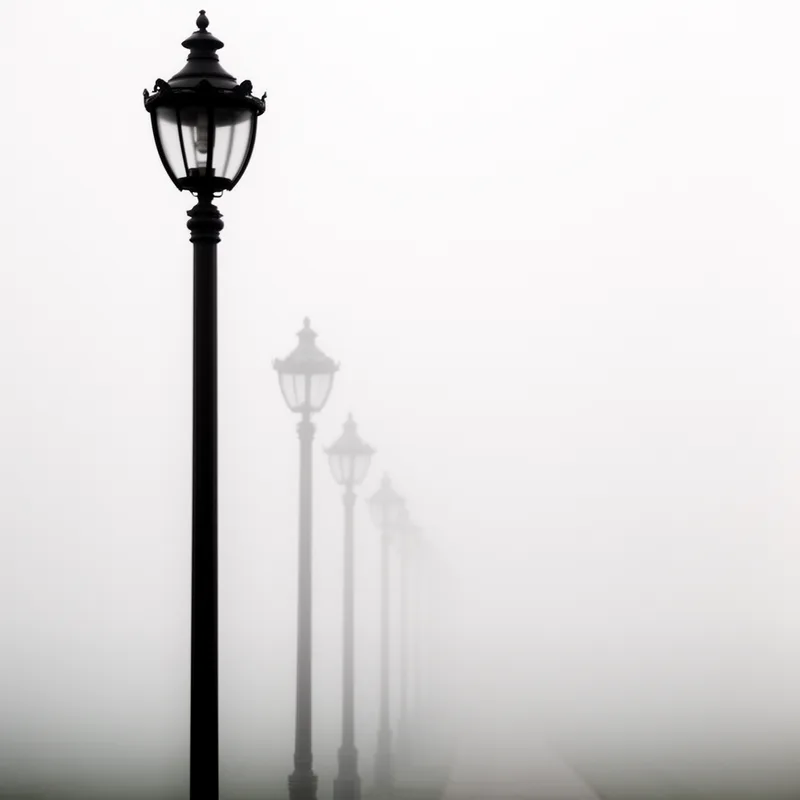
to fade away
 86
3.0

- phrasal verb
- /feɪd əˈweɪ/
- A little of God's grace, and all our problems seem to fade away.
- slowly fade away
- sounds fade away
- eventually fade away
Loading YouTube…
Watch on YouTubeIt kind of just it fades away and you can't remember details.
- It kind of just it fades away and you can't remember details.
- Plus when things get heated, sharpie tends to fade away under heat so that doesn't work.
- That has all faded away once I tried this for the first time.
- Because it was just like a trendy thing that faded away after a few months.
- And that sparkle of hope around that little change that they made fades away like an ember.
- We're afraid that if we cannot perform for you, then we will fade away into non existence.
- It's highly narcissistic and its effects then fade away.
- Literature, he said, must will survive, but newspapers must fade away.
- Only the future will tell us which will prevail and which will fade away.
- Do they do they do they fade away because of the the saliva?
Examples
-
But when that happens, time seems to fade away and nothing you do is wrong.
-
The sound of her footsteps echoed on the stone and faded away into silence.
Fiction book (1993) -
You just smile, and it's like all that noise fades away.
-
But as she walked, they faded away, one by one, as morning came.
Fiction book (1990) -
Slowly, the music of the violin faded away and became part of the silence.
Fiction book (1990) -
And then the laughter gradually fades away on this ordinary summer day.
Fiction book (1993) -
Then, without a sound, without breaking a twig, the elk faded away into the forest.
Academic text (2007) -
After what seemed like forever, the voices faded away as the Jarada wandered off down the beach.
Fiction book (1992) -
Did you try to pursue your dream as a writer, or did you just let it fade away and say, not For me, I let it fade away.
-
As the sun set, the colors of the sky began to fade away into darkness.
Synonyms
 ∞
1.0
To stop being seen or to no longer be there
 628
1.0
To stop being seen or felt
 454
1.2
To slowly become less visible, bright, or loud
 106
4.0
An effect or feeling that becomes less strong and then stops
 67
4.8
To move back or become less strong
 59
2.8
To become part of the background and less clear
 59
6.8
To make something spread out and disappear, for example fog or tension
 54
5.1
To become smaller or less in number over time
 52
4.8
Become less strong, as with pain, noise, or excitement
 46
4.1
Gradually become less strong until a feeling is gone
 44
2.7
To become less strong or loud over time
 36
3.9
To slowly disappear or become less clear
 24
2.6
Become less in number, amount, or quality
 22
4.3
To become less in amount or quality
 22
3.9
Gradually become harder to see or quieter until it disappears
 22
3.5
To slowly disappear or stop existing
 21
3.5
To become less in number or amount
 16
4.5
To become smaller or weaker over time until it stops
 10
5.6
To slowly become weaker and then stop
 9
4.2
To become quieter and then stop
 7
6.3
To lose electrical charge or current slowly over time
 4
3.3
To become less over time
 3
5.1
To become slowly smaller or less until almost nothing remains
 2
4.6
Slowly get smaller in number or amount until nothing remains
 2
5.6
To move back slowly, like water leaving a shore


 1
9.9
To disappear slowly like mist
 1
3.9
To become less strong over time
 1
4.8
To lose energy or interest slowly until it fades
 1
6.5
To flow back or become less strong slowly
Antonyms


How Faded

Surface Forms
Morphology
The meaning 'to gradually become weaker or less noticeable until disappearing' is directly built from 'fade' (to become less visible/intense) plus 'away' (off/into disappearance), so a B1 learner who knows both constituents can infer the MWE. This verb + particle composition is common and mirrors patterns in many languages, making the sense predictable and transparent.
Etymology
Fade away comes from the image of light, colour, or sound slowly losing strength until it is gone. So fade (to lose brightness or colour) plus away gives the sense 'to become weaker or less noticeable until disappearing'.