

electrostatic bond
- noun
- /ɪˌlɛk.trəʊˈstæt.ɪk bɒnd/
- Specialized
- Table salt is held together by an electrostatic bond between sodium and chloride ions.
Examples
-
When magnesium reacts with oxygen, an electrostatic bond is formed, creating magnesium oxide.
-
The strength of an electrostatic bond depends on the charges and distances between the ions.
-
An electrostatic bond forms when atoms exchange electrons.
-
The electrostatic bonds between sodium and chlorine create table salt.
-
Table salt is held together by an electrostatic bond between sodium and chloride ions.
-
The strength of an electrostatic bond depends on the charges and distances between the ions.
-
When magnesium reacts with oxygen, an electrostatic bond is formed, creating magnesium oxide.
Synonyms
 33
5.1
33
5.1

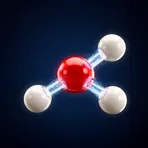
A strong attraction that holds atoms together in a molecule
 1
3.4
1
3.4
A force that holds atoms or ions together to form a compound


 1
3.7
1
3.7
A strong pull between atoms when one atom gives an electron to another
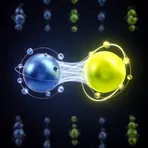
A force that holds positive and negative atoms after one atom gives an electron to another
How Ionic

Surface Forms
Morphology
The noun phrase transparently combines 'electrostatic' (relating to static electrical charges) with 'bond' (an attraction holding atoms together), so the meaning — a bond produced by electrostatic attraction between charges — is directly derivable from the constituents. This adjective+noun composition is a regular, cross-linguistically common pattern, so a learner who knows both component words should grasp the MWE's meaning.
Etymology
Electrostatic bond comes from the image of tiny electric charges pulling on each other; electrostatic means electric charges and a bond is something that holds atoms together. When one atom loses an electron and becomes 'positive' and another gains one and becomes 'negative', they pull together and form the bond, so the term means 'a connection caused by opposite charges'.