
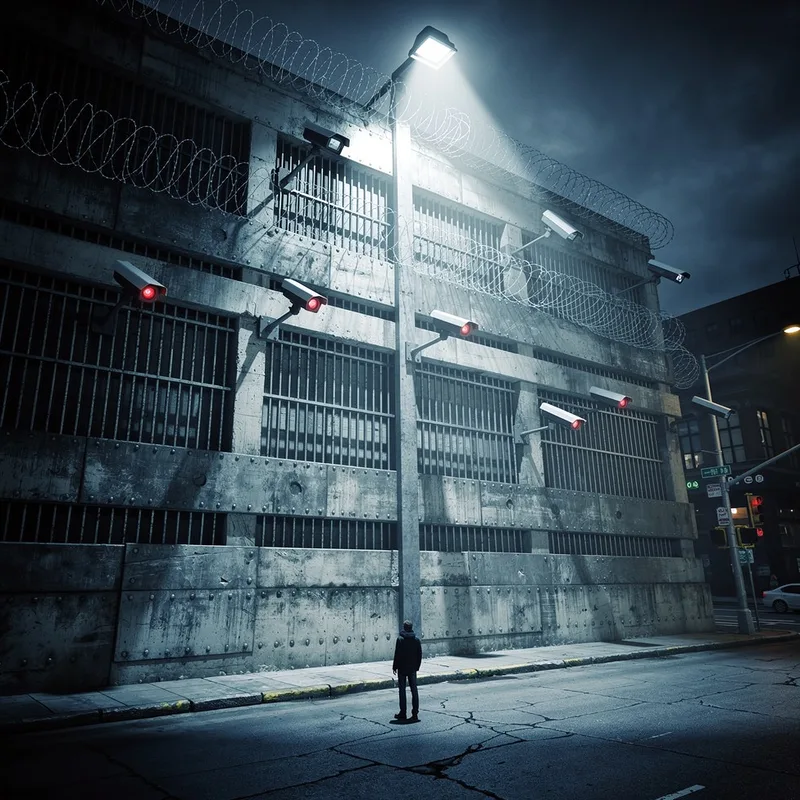
draconian
 28
8.9
28
8.9

- adjective
- /drəˈkoʊniən/
- Formal
- Many people protested against the draconian laws that imposed heavy fines for minor offenses.
- draconian measures
- draconian laws
- draconian policies
Loading YouTube…
Watch on YouTubeSo you saw this draconian governance of the Taliban.
- So you saw this draconian governance of the Taliban.
- I'm not, I'm not draconian ever.
- You can't tell people the choice is long prison sentences in draconian conditions or nothing.
- I don't think we're very draconian in England, aren't we?
- They are the ones making the lines longer through these draconian actions.
- Next, HP discontinue is part of one of its draconian policies.
- But as the years went by and it's just become more draconian, I thought there's something wrong with this.
- In both cases, draconian restrictions on freedom of movement strangle production.
- So the program genuinely is absolutely brilliant in the most evil, draconian ways.
- So Australia is notorious for certain states in Australia had draconian lockdowns that went on for months and months and months.
- The issue here is that unequivocally draconian tactics were used on peaceful protesters before curfew started.
- And so President Clinton, more masterfully, masterfully than his predecessors, decided that he was going to be as draconian as any of his opponents.
Examples
-
Due to growing frustrations, they resorted to draconian measures, including mining trade routes throughout the area.
Academic text (2011) -
The report indicates that in Morocco and Tunisia, draconian measures continued to restrict press freedom.
Academic text (1993) -
What can people in red states get from that to get out of these draconian laws that their state governments have put into place?
-
Nobody, absolutely nobody, feels comfortable supporting draconian efforts that would require that students change their social patterns.
Academic text (1998) -
In response to those attacks, the U.S. government deemed draconian security measures essential to protect the people.
Academic text (2009) -
Still, China has not abandoned many of its draconian legal practices.
Academic text (1999) -
Members of the business sector believed that with less state oversight, they could implement draconian labor policies.
Academic text (2002) -
In both cases, draconian restrictions on freedom of movement strangle production.
-
Kashmir was not the only region subjected to draconian measures by the Indian center.
Academic text (2004) -
During the election campaign, they promised to ease some of the draconian secularist policies of their predecessors.
Academic text (2000)
Synonyms
 81
7.0
81
7.0
That makes someone receive a penalty for breaking a rule
 68
4.2
68
4.2
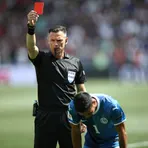
Very strict and harsh when judging or punishing people
 43
6.3
43
6.3
Using harsh, unfair power to control people and limit their freedom
 40
6.9
40
6.9
Very strict rules or limits that must be followed
 25
7.9
25
7.9
Using power to treat people cruelly and unfairly
 8
8.4
8
8.4
A ruler who uses cruel and total power over people
 2
7.6
2
7.6
A leader who uses very strict rules to control people
 1
9.9
1
9.9
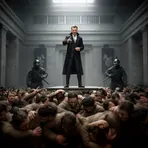
Using unfair, cruel power to control people
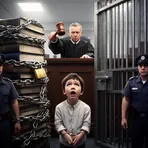
Very severe, especially for laws and punishments
Causing someone to suffer for doing something wrong
Antonyms


How Severe

Surface Forms
Morphology
Etymology
Draconian comes from the name of an ancient Greek lawmaker, Draco, whose laws were so strict they became famous. So calling a law 'very harsh' means it is 'draconian', and a helpful way to remember this is to think of a fierce dragon.