
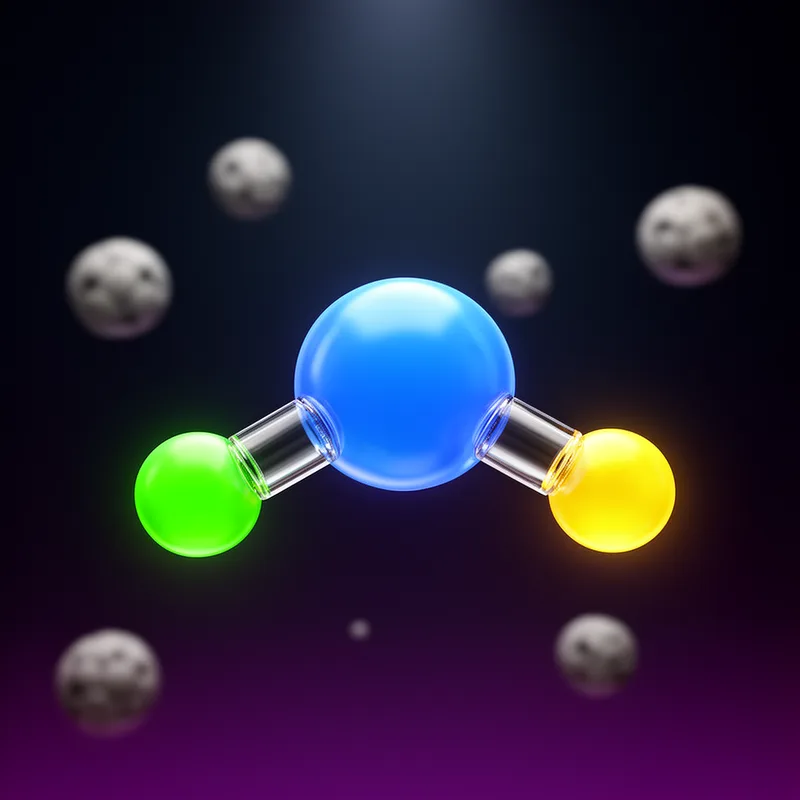
divalent
- adjective
- /ˈdaɪˌveɪlənt/
- Specialized
- Plants often require divalent minerals, such as iron, to support their growth and health.
- divalent cation
Examples
-
In chemistry, a divalent ion is essential for reactions involving the formation of new molecules.
-
For example, it is known that catalytic reactions require the presence of divalent metal ions such as Mg, Mn, Co, Zn, or Cd.
Academic text (2001) -
EPA estimates that wet scrubbers generally capture more than 90 percent of divalent mercury emissions, which may account for 20 to 80 percent of total mercury emissions.
Academic text (2002) -
Divalent ions, like divalent calcium, can bond with two oxygen atoms to form stable compounds.
Synonyms
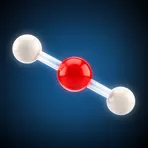
An atom, ion, or molecule that can form two bonds
Antonyms

How Many Valences
- Specialized

- Specialized
- Specialized
- Specialized
- Specialized
Surface Forms
Morphology
divalent = valent (semi-transparent) = di + valent
Formed by the productive prefix 'di-' (two) attached to the technical adjective 'valent'; understandable to learners with basic chemistry knowledge but not fully transparent to a general B1 learner.
Etymology
Divalent comes from di- 'two' and valent 'having power', a root you can also see in words like valid and value. So a divalent atom or ion has the 'power' to join with two others, which is why it forms two bonds.

