

dicoumarin
- noun
- /ˌdaɪˈkuːmərɪn/
- Specialized
- Dicoumarin is commonly used as a medication to prevent blood clots in patients at risk.
Examples
-
The veterinarian warned that dicoumarin in spoiled sweet clover can cause severe bleeding in cattle.
-
Aflatoxin, ergotism, and dicoumarin are much less prevalent than they once were.
Blog text (14) -
(For an example of "bleeding disease," please look up dicoumarin.)
Blog text (14) -
Many anticoagulants, such as dicoumarin, help manage the risk of strokes by thinning the blood.
Synonyms

 17
5.8
17
5.8

A natural body substance that stops blood from forming clots and is used as medicine
 8
5.6
8
5.6
A medicine that slows or stops blood from forming clots
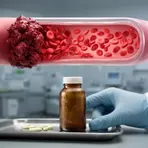
A medicine formerly used to stop blood from forming clots

A medicine that stops or slows blood from forming clots

A substance that stops or slows blood from forming clots
Antonyms
- Specialized
3
8.1
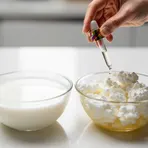
Something that makes a liquid like blood or milk become thick and form clots
Surface Forms
Morphology
Etymology
Dicoumarin comes from the prefix di- meaning 'two' and coumarin, a plant chemical first found in the tonka bean, so the name means 'two coumarin parts'. So, think of it as two plant units joined together — this compound was noticed in spoiled sweet clover and is known for preventing blood from clotting.