

anticoagulant
 8
5.6
8
5.6

- noun
- /ˌæntiˈkoʊɪɡjʊlənt/
- Specialized
- The saliva of ticks includes an anticoagulant that prevents your blood from clotting.
- oral anticoagulant
- anticoagulant treatment
- anticoagulant therapy
Loading YouTube…
Watch on YouTubePlus they were treating with antibiotics, anti inflammatories, anticoagulants, steroids, monoclonal antibodies and vitamins.
- Plus they were treating with antibiotics, anti inflammatories, anticoagulants, steroids, monoclonal antibodies and vitamins.
Examples
-
All 345 patients received anticoagulant therapy for at least 3 months.
Academic text (2002) -
Patient precautions involve discontinuing anticoagulants before the procedure to prevent the risk of bleeding.
Academic text (2005) -
We think those bags have some anticoagulant in them.
-
In such cases, an anticoagulant is prescribed.
-
Warfarin is by far the most commonly used anticoagulant in the UK.
Academic text (2012) -
Patients who cannot discontinue their anticoagulant should be informed of these risks.
Academic text (2004) -
Warfarin is the most commonly prescribed anticoagulant in the world.
Academic text (2014) -
The mainstay of treatment for many years has therefore been the anticoagulant warfarin.
Academic text (2010) -
We need better data on the incidence of hemorrhage in real-world patients treated with new anticoagulants.
Academic text (2014) -
Warfarin is by far the most commonly used anticoagulant in the UK.
Synonyms
 194
1.9
194
1.9
A medicine that reduces pain, fever, and swelling and lowers the risk of blood clots
 17
5.8
17
5.8
A natural body substance that stops blood from forming clots and is used as medicine
 9
5.9
9
5.9
A medicine that prevents and treats blood clots
 5
6.7
5
6.7
A blood-thinning medicine that prevents or treats blood clots

 1
6.5
1
6.5
A medicine that helps stop blood clots in people at risk of heart attack or stroke

A medicine that stops or slows blood from forming clots

A substance that stops or slows blood from forming clots
A medicine formerly used to stop blood from forming clots

A chemical that prevents blood from clotting and is used as a medicine
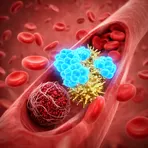
A protein that helps stop blood clots by blocking some blood proteins
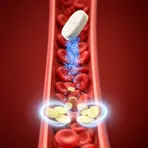
Preventing blood platelets from sticking together and forming clots
Antonyms
- Specialized
3
8.1
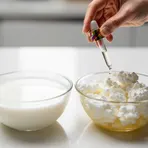
Something that makes a liquid like blood or milk become thick and form clots
Compounds
How Strong

Surface Forms
Morphology
anticoagulant = coagulant (semi-transparent) = anti + coagul + ant
The word is formed regularly with the productive prefix anti-, but the technical base word coagulant may not be familiar to many learners.
Etymology
Anticoagulant is made of anti- meaning 'against' and coagulant from a root meaning 'to clot', like a 'clot' of blood. So an anticoagulant is a medicine that acts 'against' clotting to prevent or slow blood clots.