
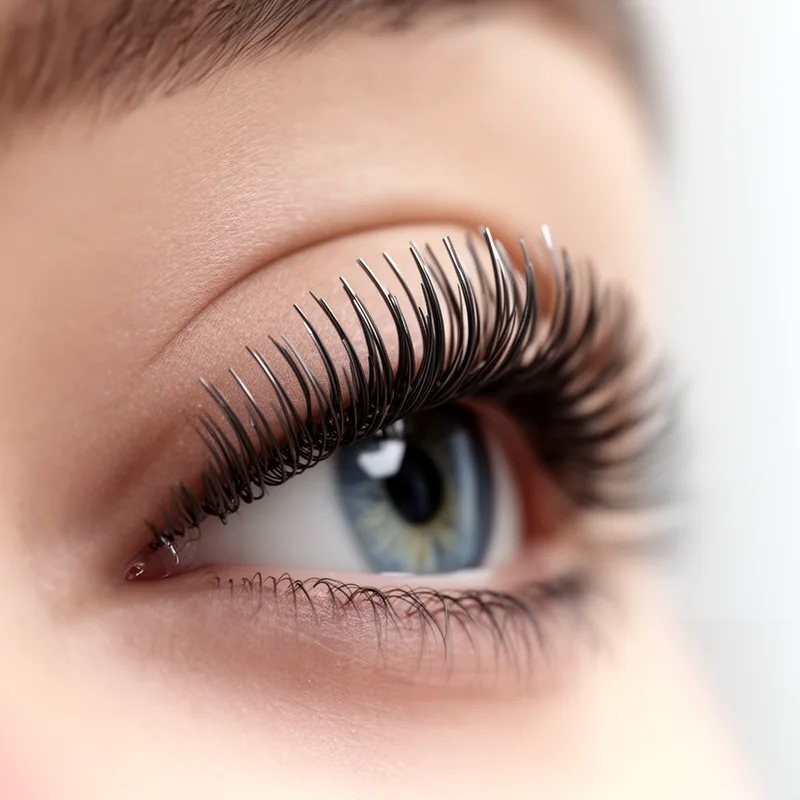
comb-like
- adjective
- /koʊm-laɪk/
- The fence had a comb-like top, with sharp points spaced evenly apart.
Examples
-
It removed the traces of JPEG compression by filling the gaps of the comb-like DCT histograms of all the subbands created due to JPEG compression.
Academic text (2017) -
First, there are serrations or comb like structures right where the air first hits the wing.
-
It is generally focused on filling the gaps in the comb-like distribution of DCT coefficients in each subband.
Academic text (2017) -
To attract a female bow-winged grasshopper, the male rubs a comb-like structure on his hind leg against a vein that protrudes from his front wing.
Blog text (18) -
The comb-like fins of the fish helped it navigate through the water effortlessly.
-
The artist used a brush with comb-like bristles to create texture in her painting.
Synonyms

 1
5.0
1
5.0

With many very small teeth close together, like a comb or saw

Having many thin, parallel teeth that stick out
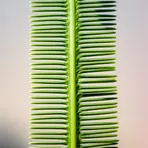
Having thin parallel parts like the teeth of a comb

Having small tooth-like edges, often used to describe fish scales
How Comb-like


Surface Forms
Morphology
Etymology
Comb-like comes from comb, a tool with teeth for hair, and the suffix -like meaning 'similar to'. So something described as comb-like has narrow, regular projections like the teeth of a comb, which explains its current meaning.