

comblike
- adjective
- /ˈkoʊmˌlaɪk/
- The delicate sea creature was adorned with comblike appendages that resembled a colorful brush.
Examples
-
Hawk owls lack the comblike structures along the outer edge of their primary feathers that give most owls silent flight.
Academic text (2003) -
Instead, the evidence from topographic maps suggests that when interdigitated patterns of land and water appear, they come from building a canal network formed from two comblike structures.
Academic text (1990) -
The windows glint now, their comblike balconies stand out, the crowd on the beach twinkles, and another kite flyer has joined the first.
Fiction book (1990) -
The squatter and his Pontid greeted him, and the latter waggled its comblike antlers.
Fiction book (1999) -
The tiny marine organism had comblike structures that helped it filter food from the water.
-
The artist used a comblike tool to create intricate designs in her paintings.
Synonyms
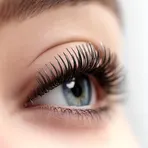
Thin, evenly spaced parts that stick out in a row like small teeth
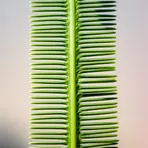
Having thin parallel parts like the teeth of a comb
How Comblike


Surface Forms
Morphology
Etymology
Comblike comes from comb and the ending -like, where comb is the small tool with 'teeth' and -like means 'similar to'. So something comblike has regular, tooth-like parts or rows, just like a comb.