

chromosomal mutation
- noun
- /ˌkroʊməˈsoʊməl mjuˈteɪʃən/
- Specialized
- A chromosomal mutation can lead to genetic disorders in future generations.
Examples
-
Single gene mutations or whole chromosomal mutations are implicated in several neurodevelopmental disorders.
-
Researchers are studying how chromosomal mutations affect the development of certain cancers.
-
Understanding chromosomal mutations is essential for advancing genetic research and therapies.
Synonyms

 85
5.6
85
5.6

A permanent change in DNA that can cause new traits
 3
6.7
3
6.7
A missing piece of DNA in a gene that changes how it works
 1
6.1
1
6.1
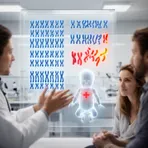
A change in the number or shape of chromosomes that often causes health problems
 1
6.7
1
6.7
A change in the number or shape of chromosomes that often causes health problems


 1
8.9
1
8.9
A change in the usual number or shape of chromosomes that often causes physical and mental problems
 1
6.0
1
6.0
A single change in DNA where one letter is changed, added, or lost
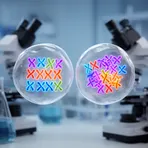
A condition in which an organism has a different number of chromosomes than normal for its species

A genetic change when DNA letters are added or removed that changes how a gene is read
How Severe
- Specialized
1
5.3

- Specialized
- Specialized
1
8.9
- Specialized
1
6.1
- Specialized
1
6.7
Surface Forms
Morphology
The meaning of 'chromosomal mutation' is directly compositional: 'chromosomal' specifies the locus (chromosomes) and 'mutation' denotes a genetic change, so the phrase denotes a mutation affecting chromosomes. This structure is a straightforward modifier + noun compound found cross-linguistically, so a B1 learner who knows both constituents can reasonably infer the intended meaning.
Etymology
The term chromosomal mutation comes from how scientists saw dark, thread-like chromosomes in cells that carry the bits of heredity called 'genes'. A mutation means a 'change', so the phrase pictures a change in those thread-like parts, which is why it means a change in an organism's 'genes'.